Why Glenvar Heights Beats Coral Gables and Pinecrest
August 6, 2026
August 6, 2026
Pull up the portals and the story looks simple. Coral Gables sits near a $2M single-family median. Pinecrest clears $2.5M. South Miami hovers around $1.17M. Glenvar Heights, wedged between all three, lands at $1,650,000. Most buyers read that as a discount for a less prestigious address and move on.
That reading misses the mechanism.
The gap between Glenvar Heights and its neighbors is not a prestige discount. It is a governance discount. You are paying less because you are opting out of a municipal layer, and the savings show up twice: once on the tax bill, and again in the square footage of dirt your dollar buys. Both are structural, not sentimental, and both survive the next appraisal cycle.
Here is the comparison a buyer working the $1.5M to $2.5M tier is actually making, using MLS closed single-family sales for the trailing 12 months (April 2025 through March 2026):
| Neighborhood | SFH Median | Median Lot | 2025-26 Combined Millage |
|---|---|---|---|
| Glenvar Heights | $1,650,000 | 16,438 SF | 16.9317 |
| South Miami | $1,166,250 | 10,080 SF | 18.9730 |
| Coral Gables | ~$2,000,000 | 10,000 SF | 18.1850 |
| Pinecrest | $2,535,000 | half-acre+ | 17.5257 |
Three of those columns move together. Glenvar Heights is the outlier where they do not.
Glenvar Heights is not a city. It is a census-designated pocket of unincorporated Miami-Dade, sitting inside the county's Unincorporated Municipal Services Area, or UMSA. That single designation is the friction point most buyers only encounter at closing.
The 2025-26 combined millage rate in UMSA is 16.9317 mills, according to the county's adopted budget schedule. That breaks down as 1.9090 mills for UMSA itself, 5.7361 mills countywide (operating, debt, library, Children's Trust), 6.4990 mills for the school district, 0.3911 mills for regional water, and 2.3965 mills for county fire and rescue. Everyone in southwest Miami-Dade pays roughly 12.63 mills of that stack no matter where they live. The variable is what the city adds on top.
On $1,000,000 of taxable value, the difference between UMSA and the incorporated neighbors compounds fast:
At a $1.65M assessed value with homestead, that spread runs a few thousand dollars a year against the buyer forever. Over a ten-year hold, it is a kitchen renovation.
That is one half of the discount. The other half is quieter and sits in the deed.
Glenvar Heights' median lot, per MLS records, is 16,438 square feet, roughly 0.38 acres. Coral Gables' median lot is 10,000 SF. South Miami's is 10,080 SF. That is a 60% land premium hiding inside a price that lands between the two.
Say it a different way. Against Pinecrest specifically, Glenvar Heights sits at roughly 65% of the price. The two neighborhoods use highway access and school zoning that overlap in real ways. The gap is nearly $885,000. That is not a rounding error on kitchen finishes. That is what you pay to have Village of Pinecrest addressing and code enforcement on the mailbox.
Two active listings show how this plays out in practice: a 1964 single-story 4/3 on nearly three-quarters of an acre at 8290 Sunset Dr listed at $2,849,000, and a new construction 6/7 at 7900 SW 70th St listed at $4,495,000 with 4,552 square feet under air. Both would price higher on the incorporated side of the boundary line at the same specifications.
The tradeoff is governance. Coral Gables layers a Board of Architects, historic preservation overlays, and village-level services on top of a $2M median. Glenvar Heights runs on Miami-Dade County services across its 4.3 square miles. That is part of why you pay roughly $350,000 less for a home on about 60% more land.
If the Board of Architects and a village-scale services layer are what you value, Coral Gables is the right check to write. If they are not, you are paying for them anyway.
Ignore the brochure copy and focus on the touchpoints that matter after closing:
None of this is hidden. It is just not in the price-per-square-foot column on the search portal.
The Miami-Dade single-family median hit $699,990 in January 2026, up 3.7% year over year, per the MIAMI Association of Realtors. Countywide supply sits around 6.4 months and the median share of original list price received dropped to 94%. Time to contract stretched to roughly 53 days. That is a more balanced market than any spring since 2020, and it means buyers working the Glenvar Heights comparison have room to negotiate rather than react.
Sellers in the same window are living in a different market than the one they bought into. Pricing has to be defensible against comps, not aspirational against last year's peak.
Buyers relocating from out of state routinely miss both of these, and they matter more in Glenvar Heights than the millage difference does.
The Florida homestead exemption for 2026 is $51,411, adjusted for inflation under Amendment 5 approved by voters in November 2024. It reduces taxable value on your primary residence. Once homestead is in place, the Save Our Homes cap limits annual increases in assessed value to the lower of 3% or CPI, regardless of market movement. Held long enough, that cap opens a real spread between market value and taxable value.
If you are selling a Florida homestead to buy in Glenvar Heights, portability lets you carry accumulated Save Our Homes savings to the new property, up to $500,000 in assessed-value differential. This is filed through the Miami-Dade County Property Appraiser at miamidadepa.gov and it is time-sensitive. Miss the window and the benefit does not follow you.
Is Glenvar Heights actually part of South Miami or Coral Gables? No. It is unincorporated Miami-Dade, sitting just west of the two. Mail may show a Miami address, but the taxing jurisdiction is UMSA.
Do the lower taxes mean fewer services? Different, not fewer. Fire and rescue, policing, permitting, and code enforcement all come from Miami-Dade County rather than a municipal government. Village-level extras like a Board of Architects review process do not exist here.
Why is the median lot so much bigger than in the incorporated neighbors? The plat pattern. Most of the housing stock was built between the 1950s and 1970s on parcels typically ranging from 7,500 to over 10,000 SF, with a healthy share above that. Coral Gables and South Miami subdivided differently and earlier.
Is the price advantage narrowing? Guanche's MLS pull shows Glenvar Heights up 2.2% year over year through March 2026, at a 55-day median to contract. The gap against Pinecrest has been closing as more buyers work this comparison for themselves. That is a directional signal, not a guarantee.
How should I underwrite a renovation here versus in the Gables? Assume county permitting timelines, no Board of Architects, and more flexibility on exterior scope. Confirm folio-specific covenants through the title commitment before you finalize the design.
If you came into this comparison expecting Glenvar Heights to be a cheaper Coral Gables, the research says something more precise. It is a different product. You are trading a village-level services and design-review layer for larger lots, a lower millage stack, and more owner flexibility on the property itself. At the $1.2M to $2.5M tier that is the trade that pencils out.
The number on the portal is the last thing to look at, not the first.
Talking through your specific address, folio, and target tier is how the comparison stops being abstract. Jordan Casañas works these four neighborhoods every week and can pull the MLS and millage math against a real home before you write an offer. Get a Free Valuation to start.
Stay up to date on the latest real estate trends.
Primary phone
(305) 244-8060Secondary phone
(786) 580-8485Website
http://casanasre.comLicense Number
#3310814Address
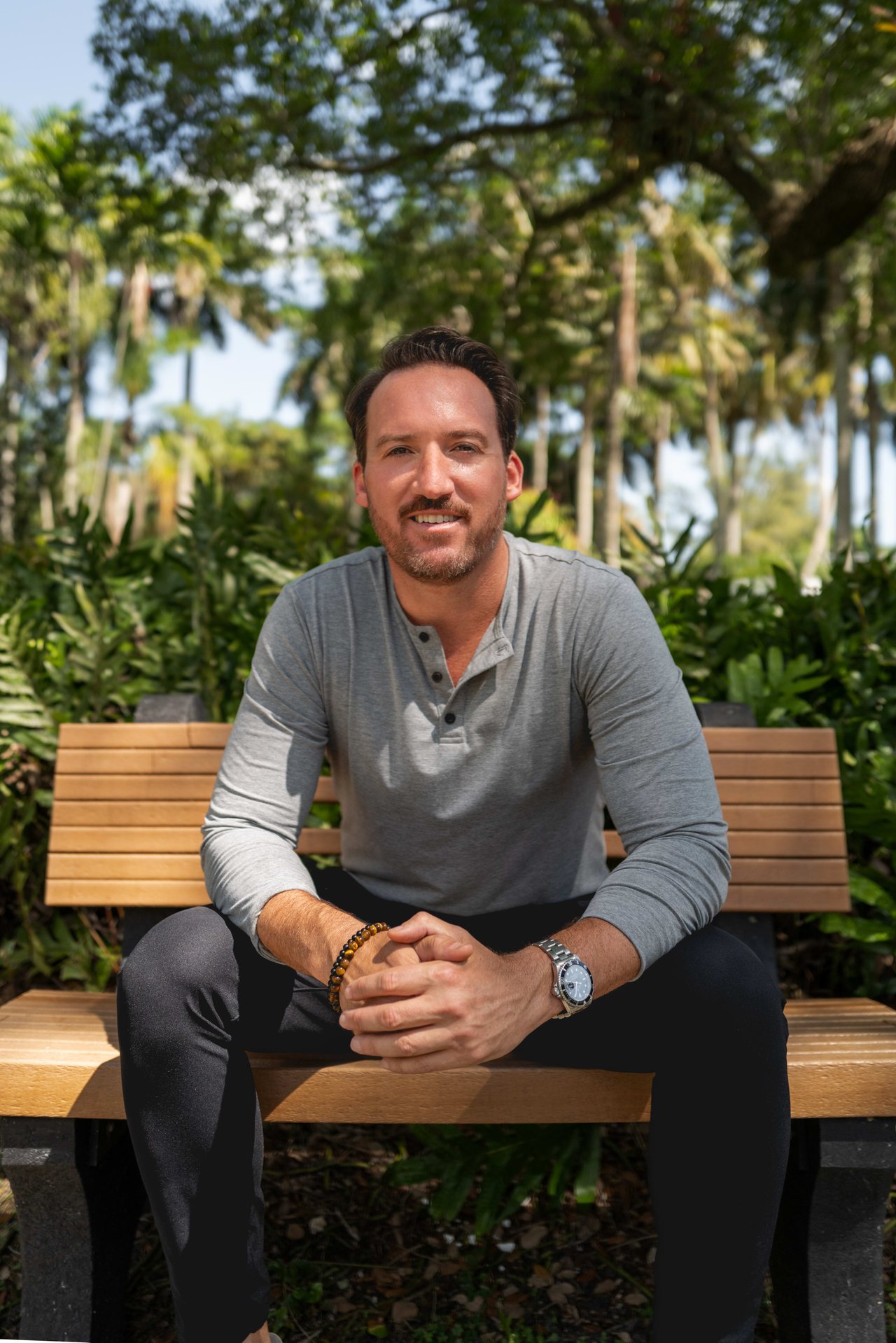
2666 Brickell AveJordan Casañas is a bilingual Miami native of Cuban descent and a real estate professional with Fortune Christie's International Real Estate. As a Master’s Circle Agent and the face of The Casañas Way, Jordan has built a relationship-driven approach centered on intention, community, and long-term value. The Master’s Circle designation represents a select network of top-performing agents recognized for exceptional production, professionalism, and global reach, allowing Jordan to connect clients with high-level opportunities and international exposure through one of the world’s most recognized luxury real estate networks.
Deeply rooted in Miami, he attended Belen Jesuit Preparatory School and Florida International University, creating lifelong connections throughout neighborhoods such as Glenvar Heights, South Miami, and beyond.
Jordan began his career in the real estate industry in 2000 as a title processor and later opened his own Title Insurance Agency, where he still maintains an active license. With more than 23 years of experience spanning title, negotiations, investments, and both residential and commercial real estate, he brings a comprehensive understanding of every stage of the transaction process.
Through The Casañas Way, Jordan works closely with buyers, sellers, and investors to strategically build and manage real estate portfolios. His team guides clients from identifying and acquiring opportunities to positioning, marketing, and long-term property management, creating an experience designed to protect and grow value over time. His approach combines market expertise, intentional strategy, and personalized service, helping clients not only complete transactions, but confidently build their future through real estate.
Beyond his work in the industry, Jordan is also a Certified Master Gardener and founder of the Atala Coontie Project, an initiative focused on restoring native habitats and supporting the endangered Atala butterfly. He is also actively involved in the restoration and preservation efforts of the Blue Lake area in South Miami, helping bring awareness to the importance of protecting local ecosystems and preserving the natural beauty of the community for future generations.
His work reflects a thoughtful blend of lifestyle, sustainability, community preservation, and investment, integrating a deeper sense of purpose into the way he lives and serves others.