Miami's Restaurant List Just Got Shorter. Bird Road Still Made the Cut.
September 24, 2026
September 24, 2026
Miami New Times spent years running a Top 100 Restaurants list that took most people ten minutes to scroll through. This year they cut it to 50. Half the field, same city, more restaurants opening than ever. That's the kind of trim that usually pushes neighborhood standbys off the page in favor of whatever just landed in Edgewater or the Design District.
Tropical Chinese Restaurant, on Bird Road in Westchester, made the new list anyway.
If you live within walking distance of it, this probably isn't news to you in the sense of surprise. You already know the dim sum line on a Sunday. What's worth sitting with is the timing. The list got harder to make in the exact year a Westchester restaurant proved it belonged there, which says something about how this neighborhood actually runs: it doesn't build for visitors and then get discovered. It builds for itself, and the discovery catches up eventually.
Tropical Chinese has been on Bird Road long enough that "institution" undersells it a little. New Times' write-up in the new Top 50 credits it with tasteful aesthetic upgrades over the years, more dining space, and a more developed bar and cocktail program, while noting the thing that hasn't moved an inch: the dim sum at brunch or lunch, which plenty of people already treat as the city's benchmark, and a Peking duck that keeps showing up on every serious list of it in Miami.
That's the pattern worth noticing. The restaurant didn't reinvent itself to earn a spot on a tighter list. It kept doing the thing it already did well, long enough and consistently enough, that a citywide publication cutting its list in half still had to include it. Consistency outlasted the culling.
Tropical Chinese isn't operating in isolation. It sits inside a stretch of Bird Road and the surrounding blocks that has been quietly running its own version of longevity for decades, mostly without press coverage, because nobody needed the press. A short list of what's actually still standing:
None of these needed a magazine list to justify their existence. They're not positioned for anyone passing through. They're positioned for the people who live three, four, five minutes away and will be back next week regardless of who's writing about them.
Drive past Tamiami Park on SW 24th Street and it reads like a big green lot with some ball fields. It's actually 247 acres just south of FIU, and the part most people underuse is the pool: a 22-lane, heated, Olympic-size pool that's open year-round, not seasonally, not weather-permitting in any meaningful sense for South Florida. Most neighborhoods this size have a community pool that closes half the year or requires a membership fee that quietly filters who shows up. Tamiami Park's version is public infrastructure, sized for actual lap swimming, sitting a few minutes from home for most of Westchester.
On Fridays the park runs a food truck court, which turns what could be a routine evening at the batting cages or the tennis courts into something closer to a standing neighborhood plan. It's a small detail, but it's the kind of detail that tells you a place was built by people who expected to use it themselves, not by people trying to make a park look good in a rendering.
The park also sits next to FIU's south campus, which means the Patricia and Phillip Frost Art Museum and the Stocker Astroscience Center, a working observatory with public stargazing nights, are close enough to fold into the same afternoon as a swim or a ballgame. That's not a coincidence of geography so much as a byproduct of Westchester being built dense enough that a park, a university, a museum, and an observatory all ended up within the same short drive of each other.
Tropical Park, just west of Tamiami Park, has its own overlooked anchor: the Westchester Cultural Arts Center, sitting right at the park's entrance on SW 40th Street. It's a modern black box theater, the kind of venue that seats you close enough to the stage that "intimate" isn't marketing language, and its calendar runs bilingual theater, live music, dance, family programming, and stand-up comedy on a rotating basis.
It's easy to miss because it doesn't look like a cultural venue from the street. There's no marquee competing for attention with the restaurants and the bowling alley down the road. But it's there, it's active, and it's positioned exactly where a resident already parks for a walk around Tropical Park, which is either a smart piece of civic planning or a happy accident that the neighborhood has been benefiting from for years either way.
None of this is new construction. None of it opened this year to chase a trend. The pool has been 22 lanes for a long time. Arbetter's has been serving the same hot dogs since before most of the people reading this were born. Pincho's mural has been on that wall long enough to feel permanent. What changed in 2026 is that one of Miami's most competitive publications tightened its own standards and Westchester's dim sum still cleared the bar.
That's the thing worth taking from this fall's version of the neighborhood: Westchester isn't catching up to the rest of Miami's food and culture scene. It's been running at this level the whole time, quietly enough that outside recognition is only now starting to notice what residents already knew.
If you're the kind of person who ends up wondering, three years into living somewhere, what the market around here actually looks like, Jordan Casañas grew up in this part of Miami-Dade and still works it block by block, from Bird Road to Tamiami Park to the streets just past them. Reach out through Casañas Real Estate when you're ready for a straight answer about what your corner of Westchester is worth, no pressure, no scripts, just someone who already knows which restaurant made the shorter list and why.
Stay up to date on the latest real estate trends.
Primary phone
(305) 244-8060Secondary phone
(786) 580-8485Website
http://casanasre.comLicense Number
#3310814Address
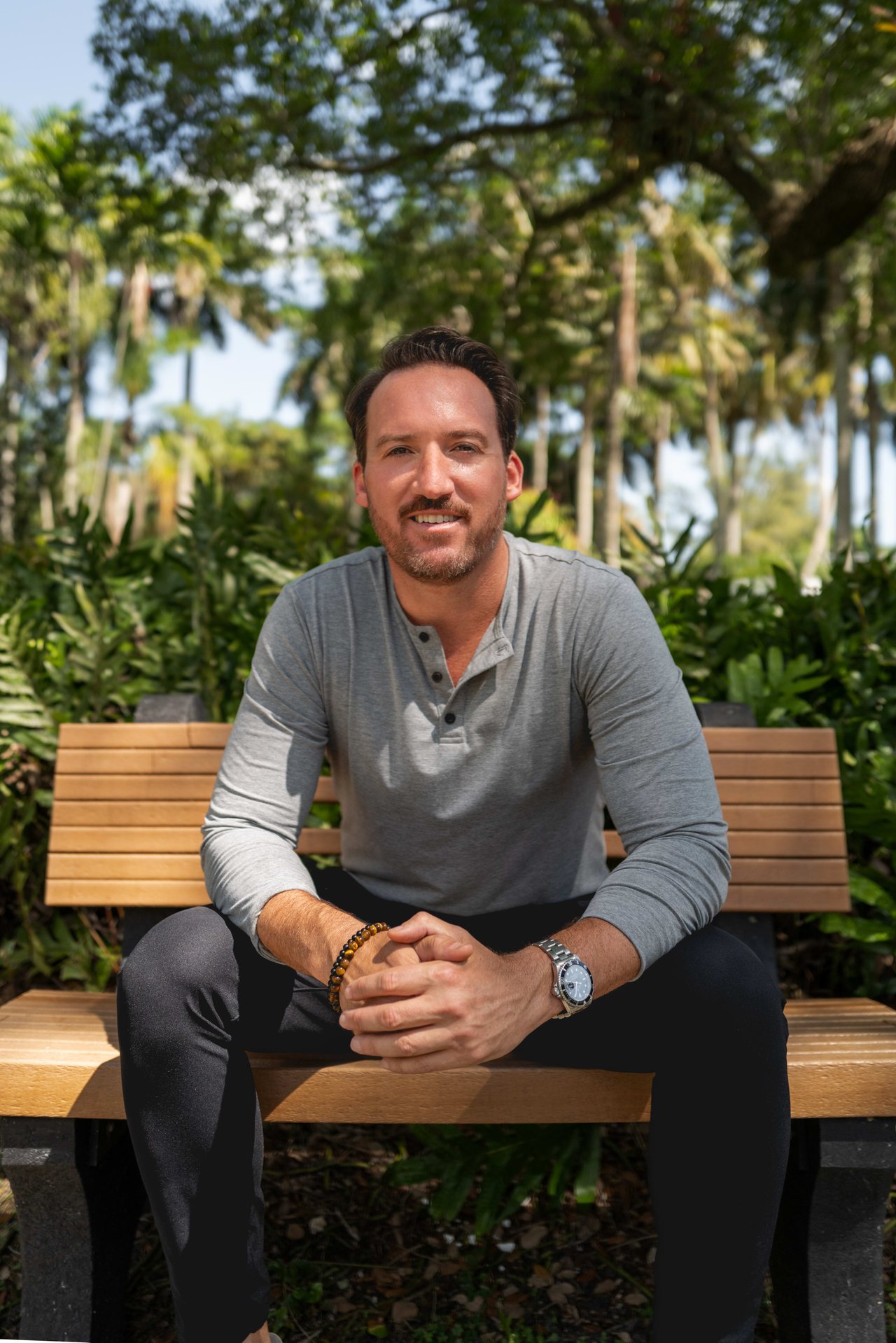
2666 Brickell Ave,Jordan Casañas is a bilingual Miami native of Cuban descent and a real estate professional with Fortune Christie's International Real Estate. As a Master’s Circle Agent and the face of The Casañas Way, Jordan has built a relationship-driven approach centered on intention, community, and long-term value. The Master’s Circle designation represents a select network of top-performing agents recognized for exceptional production, professionalism, and global reach, allowing Jordan to connect clients with high-level opportunities and international exposure through one of the world’s most recognized luxury real estate networks.
Deeply rooted in Miami, he attended Belen Jesuit Preparatory School and Florida International University, creating lifelong connections throughout neighborhoods such as Glenvar Heights, South Miami, and beyond.
Jordan began his career in the real estate industry in 2000 as a title processor and later opened his own Title Insurance Agency, where he still maintains an active license. With more than 23 years of experience spanning title, negotiations, investments, and both residential and commercial real estate, he brings a comprehensive understanding of every stage of the transaction process.
Through The Casañas Way, Jordan works closely with buyers, sellers, and investors to strategically build and manage real estate portfolios. His team guides clients from identifying and acquiring opportunities to positioning, marketing, and long-term property management, creating an experience designed to protect and grow value over time. His approach combines market expertise, intentional strategy, and personalized service, helping clients not only complete transactions, but confidently build their future through real estate.
Beyond his work in the industry, Jordan is also a Certified Master Gardener and founder of the Atala Coontie Project, an initiative focused on restoring native habitats and supporting the endangered Atala butterfly. He is also actively involved in the restoration and preservation efforts of the Blue Lake area in South Miami, helping bring awareness to the importance of protecting local ecosystems and preserving the natural beauty of the community for future generations.
His work reflects a thoughtful blend of lifestyle, sustainability, community preservation, and investment, integrating a deeper sense of purpose into the way he lives and serves others.