Miami Title Issues at Closing: What Buyers and Sellers Should Know
April 23, 2026
April 23, 2026
A Miami closing can look smooth on paper and still hit a wall days before the finish line. If a title search uncovers a lien, an open permit, a probate gap, or a survey issue, your closing date can quickly become a moving target. The good news is that most of these problems are discoverable early, and when you know what to watch for, you can avoid a lot of stress. Let’s dive in.
In any real estate sale, clear title matters because buyers and lenders want confidence that the property can transfer without hidden legal problems. In Florida, title insurance is designed to protect against loss from defective title and existing liens or legal claims, which is why title review is such a central part of the closing process.
In Miami-Dade, many of the documents that affect a closing are part of the public record. The county’s official records system includes deeds, mortgages, liens, judgments, plats, satisfactions, and releases. That makes early review especially important, because issues can surface late if no one checks soon enough.
One of the most common closing issues is a recorded lien that has not been released. In Miami-Dade, liens and judgments appear in the public record, and the clerk notes that a final judgment can become a lien on real property for up to 20 years, with re-recording every 10 years to remain effective.
For sellers, that can mean an old debt or judgment still needs to be resolved before closing. For buyers, it can mean the transaction cannot move forward until the lien is cleared, paid, insured around, or specifically excepted.
Condo sales often come with another title-related layer. Under Florida condominium law, associations have a lien on each condominium parcel for unpaid assessments, which can become a serious closing issue if balances are still outstanding.
That is why the estoppel certificate matters so much in a condo transaction. The association must issue it within 10 business days after a written or electronic request, and it helps confirm assessment status and other fees or issues that could affect closing.
In Miami-Dade, permit problems are a frequent reason closings slow down. The county offers permit-history tools that can show permit holds, inspection history, and outstanding requirements that prevent a permit from being closed.
This matters because expired permits, work done without permits, and unsafe structure issues can lead to notices, fines, and liens. In residential sales in unincorporated Miami-Dade, the county also warns sellers to disclose illegal construction and outstanding code violations at contract time.
If a property is still titled in the name of a deceased owner, closing may depend on probate authority. Under Florida probate law, the personal representative generally handles estate property, and the ability to sell real property can depend on the will and the authority granted.
That can create delays when families assume they can sell right away, only to learn that additional probate steps or documentation are needed. Inherited property can absolutely be sold, but the authority to sell needs to be verified early.
Some title issues do not appear in a basic records search. They show up on the survey. Boundary overlaps, encroachments, and line disputes can all create closing complications, especially if improvements do not match recorded boundaries.
Florida law provides that if a survey meeting state standards is completed within 90 days before closing, the title policy may except only the matters actually shown on that survey, including encroachments and boundary-line disputes. That makes a current survey a practical tool for spotting problems before they become last-minute surprises.
Miami-Dade closings often involve more coordination than buyers and sellers expect. The county says it has 35 municipalities, each with its own building official, and permits that began in unincorporated Miami-Dade but are now under municipal jurisdiction may need to be resolved in that jurisdiction first.
That adds time and complexity, especially for older homes, renovated properties, and additions that were done over several years. Depending on the property, approvals may also involve water and sewer, impact fees, DERM, Fire Rescue, or septic review.
Miami-Dade makes many property records easy to search. That is helpful, but it also means problems can be visible and still go unaddressed until the transaction is already under contract.
The county’s official records search can help uncover deeds, mortgages, liens, judgments, and releases. The clerk also offers a free Property Fraud Alert, which sends notice when a deed is recorded for a registered folio.
In greater Miami, condos are a large part of the market, so association-related issues come up often. Unpaid assessments, special assessments, and related charges can affect the final amount owed at closing and may impact whether title can transfer cleanly.
Some non-ad valorem fees can also become liens against the property. If you are buying or selling a condo, it is smart to assume the file will need careful estoppel and title review from the start.
Lenders typically want unresolved title issues addressed before they fund a loan. If the title commitment shows a recorded lien, an unreleased judgment, or a probate problem, the lender may pause the file until those items are cleared.
That can push back the closing date, create moving and storage problems, and increase stress for everyone involved. Even a strong contract and an approved buyer do not guarantee a smooth finish if title remains unresolved.
Sellers are often surprised when a title issue creates unexpected costs right before closing. Paying off a lien, obtaining a municipal letter, resolving a code issue, or dealing with permit closure can all take time and money.
In some cases, the issue is not even new. It simply was not discovered early enough to fix on a comfortable timeline.
When a title issue drags on, buyers may begin to question the timeline or the property itself. If delays stretch too long, the deal can fall apart entirely, especially when financing, rate locks, lease endings, or relocation deadlines are in play.
That is why early issue-spotting matters. The sooner a problem is identified, the more options you usually have to solve it without losing momentum.
The most practical step is to start early. A title search, permit review, and survey can uncover many of the issues that delay closings, and finding them upfront gives you more room to respond.
Because Florida title insurance is centered on recorded defects and legal claims, early title review is one of the best ways to reduce surprises. In Miami-Dade, that early review is even more important because so much of the risk is tied to public records and local permitting history.
If you are selling, review permit history before listing if possible. The county’s permit tools can help you identify open permits, expired permits, permit holds, and other unresolved requirements.
Miami-Dade also provides lien research, payoff letters, releases, and related services through its county systems. Some requests can take 10 to 20 business days, so waiting until the week before closing can create unnecessary pressure.
If the property is inherited or still tied to an estate, confirm the legal authority to sell as early as possible. Waiting until the title company raises the issue can delay the contract timeline and create stress for family members already managing a complicated process.
This is one area where clear, early coordination makes a big difference. The right paperwork and authority can keep the deal moving. Missing paperwork can stop it.
For condo sales, the estoppel certificate should be requested early in the process. It helps confirm whether assessments are current, whether there are transfer-related fees, and whether the association has issues that could affect closing.
Because the association has a set timeline to provide the estoppel, early ordering helps avoid a rush at the end. In a busy Miami condo market, that timing can matter more than many buyers and sellers realize.
In Miami, real estate is not just about price and marketing. It is also about process. A strong transaction strategy includes reviewing the public record, watching for permit and code issues, and understanding where inherited-property and condo complications tend to surface.
That is where a local, title-aware approach can reduce friction. When you work with someone who understands how these issues show up in Miami-Dade closings, you are better positioned to address problems before they become deal-breakers.
If you are preparing to buy or sell in Miami-Dade, having a clear plan for title, permits, surveys, and closing coordination can make the difference between a stressful transaction and a smoother one. If you want guidance grounded in local experience and a consultative approach, connect with Jordan Casanas.
Stay up to date on the latest real estate trends.




Primary phone
(305) 244-8060Secondary phone
(786) 580-8485Website
http://casanasre.comLicense Number
#3310814Address
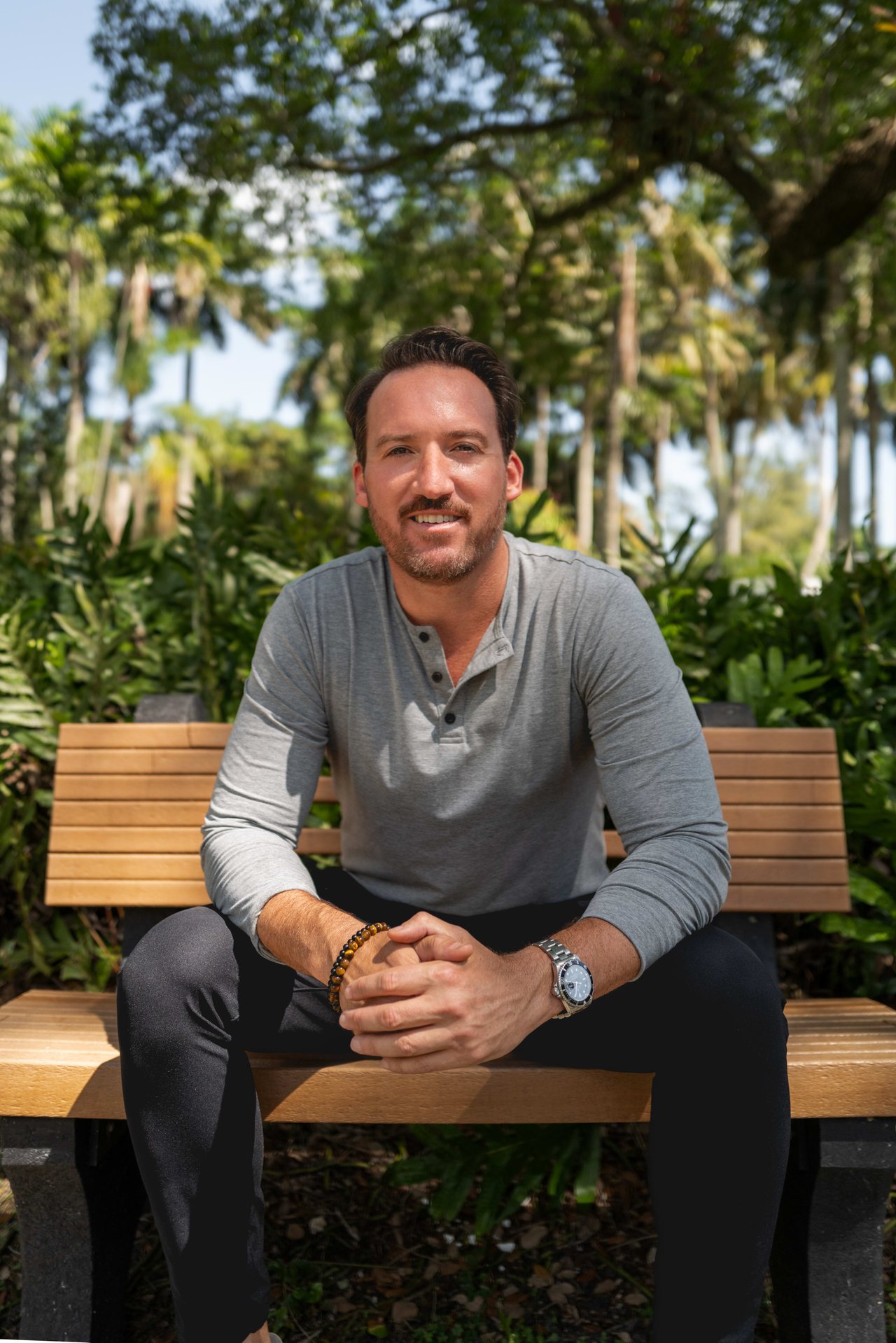
2666 Brickell AveJordan Casañas is a bilingual Miami native of Cuban descent and a real estate professional with Fortune Christie's International Real Estate. As a Master’s Circle Agent and the face of The Casañas Way, Jordan has built a relationship-driven approach centered on intention, community, and long-term value. The Master’s Circle designation represents a select network of top-performing agents recognized for exceptional production, professionalism, and global reach, allowing Jordan to connect clients with high-level opportunities and international exposure through one of the world’s most recognized luxury real estate networks.
Deeply rooted in Miami, he attended Belen Jesuit Preparatory School and Florida International University, creating lifelong connections throughout neighborhoods such as Glenvar Heights, South Miami, and beyond.
Jordan began his career in the real estate industry in 2000 as a title processor and later opened his own Title Insurance Agency, where he still maintains an active license. With more than 23 years of experience spanning title, negotiations, investments, and both residential and commercial real estate, he brings a comprehensive understanding of every stage of the transaction process.
Through The Casañas Way, Jordan works closely with buyers, sellers, and investors to strategically build and manage real estate portfolios. His team guides clients from identifying and acquiring opportunities to positioning, marketing, and long-term property management, creating an experience designed to protect and grow value over time. His approach combines market expertise, intentional strategy, and personalized service, helping clients not only complete transactions, but confidently build their future through real estate.
Beyond his work in the industry, Jordan is also a Certified Master Gardener and founder of the Atala Coontie Project, an initiative focused on restoring native habitats and supporting the endangered Atala butterfly. He is also actively involved in the restoration and preservation efforts of the Blue Lake area in South Miami, helping bring awareness to the importance of protecting local ecosystems and preserving the natural beauty of the community for future generations.
His work reflects a thoughtful blend of lifestyle, sustainability, community preservation, and investment, integrating a deeper sense of purpose into the way he lives and serves others.