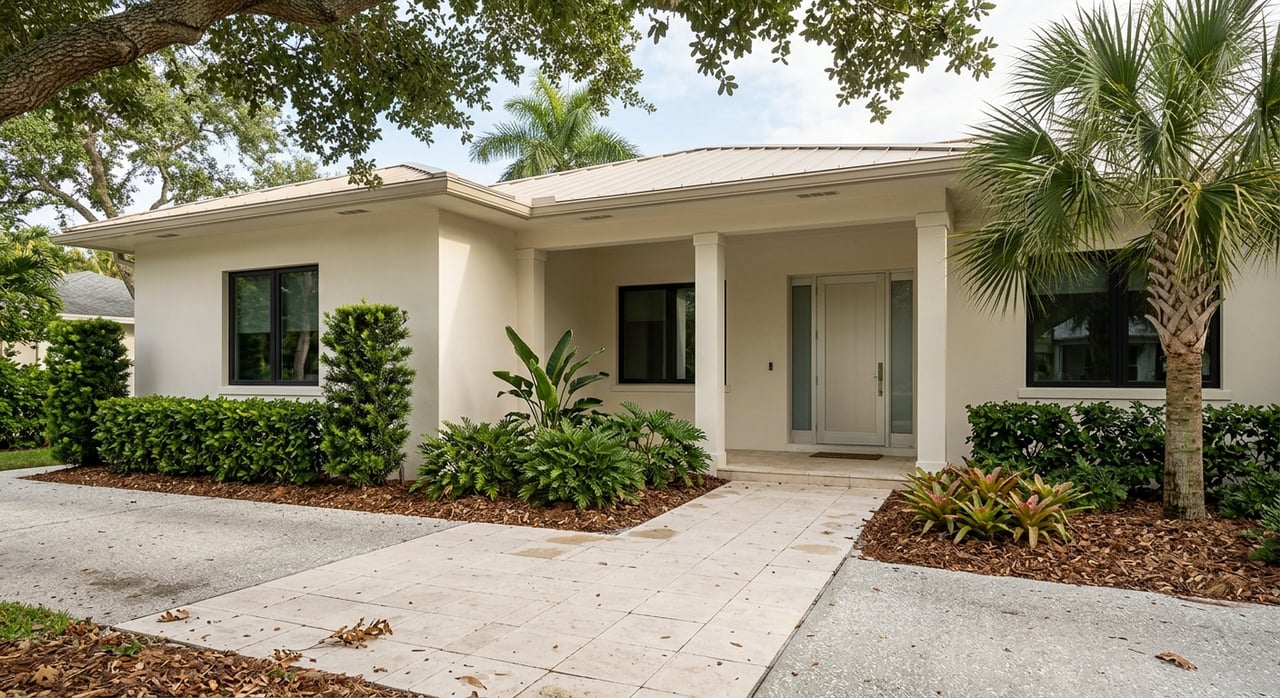
Homestead New Construction Homes or Resale? Key Pros & Cons
May 21, 2026
May 21, 2026
Buying in Homestead often comes down to one big question: should you choose a brand-new home or a resale property? If you are comparing model homes, older neighborhoods, HOA fees, commute times, and repair risks all at once, it can feel like every option has a catch. The good news is that there is no one-size-fits-all answer, and once you know what really drives cost and convenience in Homestead, the choice gets much clearer. Let’s dive in.
In spring 2026, Homestead resale prices are already high enough that your monthly costs matter just as much as the list price. Recent market snapshots put the median sale price in the mid-$400,000s, with figures ranging from about $430,000 to $457,500 depending on the source.
That matters because two homes with similar sale prices can feel very different once you add HOA dues, possible CDD assessments, insurance costs, and commuting expenses. In a buyer's market with a large number of homes for sale, you have room to compare carefully instead of focusing on the sticker price alone.
One of the biggest reasons buyers choose new construction is peace of mind. A newly built home should come with less immediate wear and tear, which can reduce the chances of facing major repairs right after move-in.
Florida law also gives buyers an important protection. Newly constructed homes must carry a one-year builder warranty for defects in equipment, materials, or workmanship that create a material violation of the Florida Building Code.
That warranty can be valuable, but it is narrower than many buyers expect. It does not cover normal wear and tear, normal settling, buyer-caused damage, third-party damage, or an act of God.
Many new communities in Homestead appeal to buyers who want current floor plans, updated finishes, and neighborhood amenities. Depending on the community, you may find features like clubhouses, pools, sports courts, golf access, or nearby major roadways.
For some buyers, that convenience is worth paying more per square foot. You may also spend less on updates in the first few years if the home already reflects current design and construction standards.
Not all new construction in Homestead looks the same. Altamira, for example, is positioned as an amenity-rich master-planned community with features such as a golf course, pool, basketball court, multi-purpose field, clubhouse, golf pro shop, and restaurant.
Other communities have a very different profile. Sunstone is marketed with no HOA fees, while Palm Villas is described as low HOA and no CDD, which shows how much carrying costs can vary even among brand-new homes.
New homes in Homestead often come with a price premium, but that premium depends on the specific community and product type. Current examples show that some new homes are priced at roughly $247 to $262 per square foot, while others reach about $305 to $333 per square foot, and some are even higher.
That range tells you something important: the word new does not explain the full price. Amenities, lot size, product style, and fee structure often have a bigger impact than buyers first expect.
A base price can look attractive until you add the ongoing costs. In Florida, a CDD is a special-purpose local government that may levy taxes or assessments on property, and state law requires this to be disclosed in initial sale contracts within a district.
Those assessments are separate from county and other local taxes, and they may be collected annually or monthly. That is why a new construction purchase should always be evaluated based on the full monthly payment, not just the advertised starting price.
Many new developments come with community standards, shared amenities, and monthly fees. Some buyers appreciate that structure, while others would rather avoid recurring dues or neighborhood rules.
In Homestead, there is no shortcut here. One new community may have no HOA, while another may include a meaningful monthly fee, so the subdivision matters more than the age of the home.
Resale homes often appeal to buyers who want established neighborhoods and more variation in lot size and home style. In some cases, you may find a larger yard or a property with less emphasis on packaged amenities.
That can be a strong value play if your priority is space, flexibility, or a more established setting. A resale home may also offer a better fit if you care more about the property itself than about shared community features.
Resale can sometimes reduce monthly carrying costs, especially when you find a home with no HOA and no CDD. Local listings in Homestead show examples of resale properties marketed that way, including homes on large lots.
At the same time, resale is not automatically fee-free. Older townhomes, condos, and even some single-family homes can still have monthly dues, so you will want to verify each property individually.
A resale home has an operating history, which can help you understand how the property has held up over time. You may be able to evaluate roof age, HVAC condition, prior upgrades, and any visible maintenance patterns more directly than you can with a brand-new build.
That history does not remove risk, but it can make the inspection process more grounded. For many buyers, that added context helps with decision-making.
The biggest tradeoff with resale is that you may inherit aging systems or deferred maintenance. Even a well-kept home can bring future costs for items like appliances, roofing, air conditioning, plumbing, or cosmetic updates.
If you are already stretching on purchase price, those follow-up costs matter. A lower entry price can still become expensive if major repairs arrive soon after closing.
Some buyers assume resale means lower dues, but that is not always true. Homestead resale inventory includes homes with low HOA fees, homes with no HOA or CDD, and properties that still carry regular monthly obligations.
The lesson is simple: do not make assumptions based on age alone. Ask for the exact HOA and CDD details for each property before deciding what is affordable.
If you take only one thing from this comparison, let it be this: the real decision point in Homestead is often the all-in monthly cost. That means looking at principal and interest, property taxes, insurance, HOA dues, possible CDD assessments, and likely maintenance or repair exposure.
A home with a lower list price can still cost more each month if the fee structure is heavy. On the other hand, a higher-priced home may be easier to carry if it has fewer recurring fees and lower near-term repair needs.
Current Homestead examples make that clear. One new construction option may offer extensive amenities and monthly dues, while another advertises no HOA fees at all.
Resale shows the same pattern. One property may have no HOA and no CDD, while another resale home may still include low monthly HOA costs.
Homestead is not a one-pattern commute market. Census data shows a mean travel time to work of 37.2 minutes, and your day-to-day experience can vary significantly depending on roadway access and transit options.
Miami-Dade County says Metrobus serves Homestead, and the Metro Express bus rapid transit connection from Homestead to Dadeland South is now in service. Some new communities also highlight proximity to the Florida Turnpike or major roadways, which can make one location feel much more convenient than another.
That is why you should compare not just homes, but routines. Two properties with similar pricing can create very different weekly stress levels depending on how you travel for work, school, errands, and family obligations.
A lot of buyers assume a brand-new home does not need an inspection. That is a mistake.
Buyer guidance recommends scheduling an independent inspection as soon as possible, attending if you can, and using the inspection contingency to renegotiate or cancel if serious issues are found. Even with a new build, an inspection helps you verify the home before closing.
For resale homes, the inspection is one of your best tools. It helps identify repair needs, maintenance concerns, and potential credits before you close.
This is especially important when you are comparing an older home with a lower monthly fee structure against a newer home with higher purchase or community costs. The inspection helps you turn guesswork into numbers.
In Homestead, flood risk should always be part of your due diligence. Mortgages on homes in a Special Flood Hazard Area generally require flood insurance, and flood insurance is separate from standard homeowners insurance.
You should also ask about prior flood or disaster damage and verify how any repairs were completed. That question matters whether you are buying new construction or resale.
The best choice usually comes down to your comfort with tradeoffs. New construction may offer a smoother first few years and more modern features, but sometimes at a higher per-square-foot cost or with added fees.
Resale may offer more lot flexibility, neighborhood variety, or lower monthly overhead, but you may take on more repair risk. In Homestead, the right answer usually becomes clear when you compare these five factors side by side:
When you evaluate homes this way, you stop comparing labels and start comparing real-life ownership costs.
If you want a clear, local strategy for buying in Homestead, working with someone who can break down the fine print matters. Jordan Casanas brings a consultative approach and transaction fluency that can help you compare new construction and resale with more confidence.
Stay up to date on the latest real estate trends.
Primary phone
(305) 244-8060Secondary phone
(786) 580-8485Website
http://casanasre.comLicense Number
#3310814Address
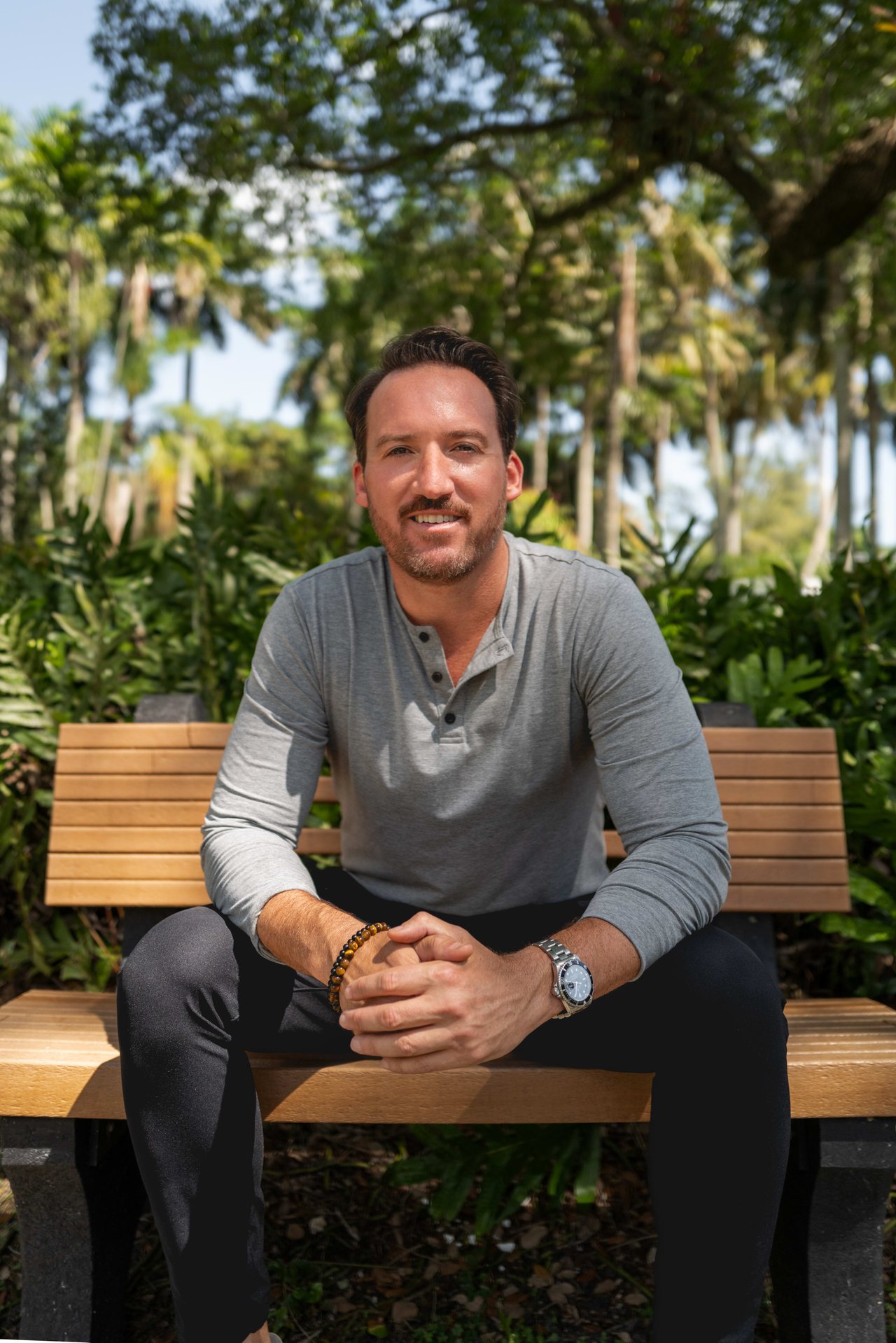
2666 Brickell AveJordan Casañas is a bilingual Miami native of Cuban descent and a real estate professional with Fortune Christie's International Real Estate. As a Master’s Circle Agent and the face of The Casañas Way, Jordan has built a relationship-driven approach centered on intention, community, and long-term value. The Master’s Circle designation represents a select network of top-performing agents recognized for exceptional production, professionalism, and global reach, allowing Jordan to connect clients with high-level opportunities and international exposure through one of the world’s most recognized luxury real estate networks.
Deeply rooted in Miami, he attended Belen Jesuit Preparatory School and Florida International University, creating lifelong connections throughout neighborhoods such as Glenvar Heights, South Miami, and beyond.
Jordan began his career in the real estate industry in 2000 as a title processor and later opened his own Title Insurance Agency, where he still maintains an active license. With more than 23 years of experience spanning title, negotiations, investments, and both residential and commercial real estate, he brings a comprehensive understanding of every stage of the transaction process.
Through The Casañas Way, Jordan works closely with buyers, sellers, and investors to strategically build and manage real estate portfolios. His team guides clients from identifying and acquiring opportunities to positioning, marketing, and long-term property management, creating an experience designed to protect and grow value over time. His approach combines market expertise, intentional strategy, and personalized service, helping clients not only complete transactions, but confidently build their future through real estate.
Beyond his work in the industry, Jordan is also a Certified Master Gardener and founder of the Atala Coontie Project, an initiative focused on restoring native habitats and supporting the endangered Atala butterfly. He is also actively involved in the restoration and preservation efforts of the Blue Lake area in South Miami, helping bring awareness to the importance of protecting local ecosystems and preserving the natural beauty of the community for future generations.
His work reflects a thoughtful blend of lifestyle, sustainability, community preservation, and investment, integrating a deeper sense of purpose into the way he lives and serves others.