
Brickell Key Condo Investment Guide for Miami Buyers
May 28, 2026
May 28, 2026
Thinking about buying a Brickell Key condo as an investment? It is easy to see the appeal. The island setting, waterfront views, and proximity to Miami’s urban core can make these properties feel like an obvious win. But Brickell Key is a very specific condo market, and smart investing here depends on the details. If you are weighing rental income, resale potential, and monthly carrying costs, this guide will help you understand what to look for before you buy. Let’s dive in.
Brickell Key is not a broad condo district with endless interchangeable options. It is a 44-acre island submarket developed by Swire, which gives it a more limited and building-specific feel than nearby Brickell or Downtown Miami.
That matters for investors because pricing and performance can vary a lot from one building to the next. A smaller one-bedroom unit may trade in the low $300,000s, while a larger three-bedroom with strong views can reach about $2.6 million. On Brickell Key, the building, the line, the view, the condition, and the fee structure all matter as much as the address.
There is also a long-term prestige story in play. A new Mandarin Oriental hotel and branded residences project is planned for Brickell Key, with an opening slated for 2030. That can help support the island’s luxury profile over time, but it can also introduce construction disruption and create a new benchmark for top-end pricing.
Recent resale data points to a market where asking prices and closed prices are not always closely aligned. Redfin reports 122 condos for sale in Brickell Key, with a median listing price of $808,000 and a median sale price of $560,000.
The same data shows a median sale price of $546 per square foot and a median of 155 days on market. Redfin also describes the market as not very competitive, with homes selling about 8% below list on average.
For you as an investor, that suggests two things. First, disciplined underwriting matters more than hopeful pricing. Second, you may have room to negotiate, but you should also plan for a slower resale timeline when it is time to exit.
Brickell Key sits in an upper-tier rental band within Miami’s urban core. Redfin’s rental snapshot shows a median rent of $3,700 in Brickell Key, compared with $3,900 in Brickell and $3,800 in Downtown Miami.
That puts Brickell Key in competitive company. It is not a discount alternative to the surrounding core, and that can be a positive sign if you are targeting renters who want a waterfront setting near Brickell.
Broader Miami rental data also supports ongoing demand. MIAMI Realtors reported that Miami Metro multifamily asking rents rose 0.6% year over year in February 2026, and occupancy in the priciest urban-core and coastal rental markets was above 95%.
Still, demand is only one side of the equation. Cushman & Wakefield reported stabilized multifamily occupancy of 94.2% in Miami in Q1 2026, while Downtown Miami accounted for 30.7% of the market’s development activity, with about 4,200 units under construction. For Brickell Key investors, nearby new supply can place pressure on rent growth and make lease-up more competitive.
If you are deciding between Brickell Key, Brickell, and Downtown Miami, it helps to compare the numbers side by side.
| Submarket | Median sale price | Sale $/sf | Median days on market | Median rent |
|---|---|---|---|---|
| Brickell Key | $560K | $546 | 155 | $3,700 |
| Brickell | $605K | $616 | 125.5 | $3,900 |
| Downtown Miami | $578K | $642 | 147 | $3,800 |
A few practical takeaways stand out. Brickell Key is smaller and more limited in supply, but it is not automatically the highest-priced resale option. In fact, recent sale prices sit below Brickell and Downtown Miami, even though the median asking price on Brickell Key is higher than Brickell’s median asking price.
The other key difference is liquidity. Brickell Key has a longer median marketing time than Brickell, which means you should be conservative about resale timing. If your investment plan depends on a fast exit, this submarket may require more patience.
One of the biggest mistakes investors make with Brickell Key condos is focusing too much on purchase price and rent, while underestimating carrying costs. In this submarket, HOA fees can significantly affect your monthly cash flow.
Current listing examples show HOA fees of $862, $1,128, $1,734, and even $2,485 per month. At those levels, the monthly fee is not a side note. It is a core part of the investment analysis.
Special assessments also deserve close attention. One current Brickell Key listing notes a $173.01 monthly special assessment for seawall repairs, while another references a building modernization assessment.
Before you buy, make sure you understand all recurring costs, not just the advertised HOA amount. You want a full picture that includes association dues, any master association obligations, pending assessments, and likely future capital costs.
For older condo buildings on Brickell Key, association health is one of the most important parts of due diligence. Florida law requires milestone inspections for condo buildings that are three habitable stories or higher by the year the building reaches 30 years of age, and every 10 years after that.
Florida law also requires a structural integrity reserve study at least every 10 years for buildings three habitable stories or higher. That study covers major components like the roof, structure, fire protection, plumbing, electrical systems, waterproofing and exterior painting, and windows and exterior doors.
The practical takeaway is simple. If reserves are not strong, owners may face larger future costs. Florida law also warns that waiving reserves can lead to unanticipated special assessments, which is exactly the kind of surprise that can hurt investment returns.
Miami-Dade adds another layer. The county’s recertification portal states that inland buildings are subject to recertification at 30 years, while coastal buildings are subject at 25 years, with recertification every 10 years after that. Since Brickell Key is a waterfront island, older buildings should be evaluated with that coastal-style scrutiny in mind.
Do not assume every Brickell Key condo offers the same rental flexibility. Leasing rules can vary by building, and that can directly impact your strategy.
For example, one current rental listing on Brickell Key states that the building requires a one-year minimum lease. If you are hoping for shorter-term leasing options, you need to confirm the exact rules before you go under contract.
This is especially important in a smaller submarket like Brickell Key, where the neighborhood itself does not tell the full story. The condo documents, association policies, and building management standards may have more impact on your investment than the island branding alone.
When you run the numbers, a conservative approach is usually the safest one. Use realistic rent assumptions based on actual market performance, not just optimistic asking rents.
Then subtract the full monthly carrying cost. That includes HOA dues, any special assessments, and any other building-related charges that affect your bottom line.
You should also build in a slower exit timeline. Redfin reported that 62.6% of February 2026 listings in Miami were stale, the highest share among major metros, which supports a more cautious resale assumption in today’s market.
In other words, Brickell Key can still work as an investment. You just want the numbers to work even if leasing takes longer, rent growth softens, or your resale window stretches beyond your ideal timeline.
Not every condo on Brickell Key offers the same investment profile. In this market, stronger opportunities tend to come from a combination of factors rather than one flashy feature.
Look closely at:
A beautiful unit with a weak association balance sheet can become expensive quickly. On the other hand, a well-positioned unit in a more disciplined building may offer a steadier long-term hold, even if the initial price feels less exciting.
Brickell Key investing is rarely a simple spreadsheet exercise. It requires a close read of association documents, a realistic view of Miami condo carrying costs, and a clear understanding of how title, escrow, and building-specific rules can affect your deal.
That is where a consultative approach matters. When you have local market knowledge paired with transaction fluency, it is easier to spot risk early, compare buildings more accurately, and move forward with more confidence.
If you are considering a Brickell Key condo as an investment property, the goal is not just finding a unit that looks good online. It is finding one that holds up under real-world numbers, building conditions, and long-term resale logic.
If you want help evaluating Brickell Key condos with a practical, numbers-first approach, connect with Jordan Casanas for clear guidance tailored to your goals.
Stay up to date on the latest real estate trends.



Primary phone
(305) 244-8060Secondary phone
(786) 580-8485Website
http://casanasre.comLicense Number
#3310814Address
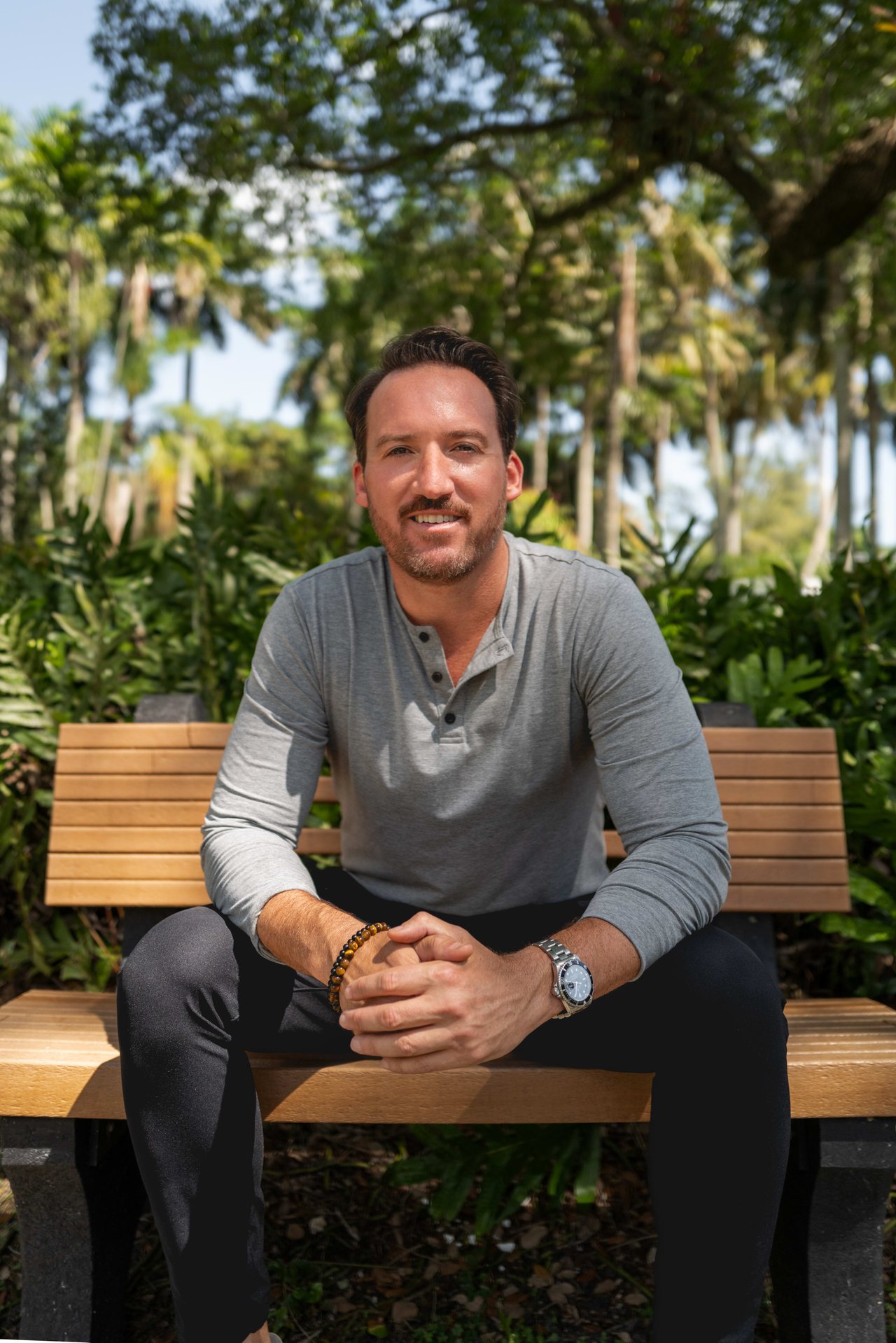
2666 Brickell AveJordan Casañas is a bilingual Miami native of Cuban descent and a real estate professional with Fortune Christie's International Real Estate. As a Master’s Circle Agent and the face of The Casañas Way, Jordan has built a relationship-driven approach centered on intention, community, and long-term value. The Master’s Circle designation represents a select network of top-performing agents recognized for exceptional production, professionalism, and global reach, allowing Jordan to connect clients with high-level opportunities and international exposure through one of the world’s most recognized luxury real estate networks.
Deeply rooted in Miami, he attended Belen Jesuit Preparatory School and Florida International University, creating lifelong connections throughout neighborhoods such as Glenvar Heights, South Miami, and beyond.
Jordan began his career in the real estate industry in 2000 as a title processor and later opened his own Title Insurance Agency, where he still maintains an active license. With more than 23 years of experience spanning title, negotiations, investments, and both residential and commercial real estate, he brings a comprehensive understanding of every stage of the transaction process.
Through The Casañas Way, Jordan works closely with buyers, sellers, and investors to strategically build and manage real estate portfolios. His team guides clients from identifying and acquiring opportunities to positioning, marketing, and long-term property management, creating an experience designed to protect and grow value over time. His approach combines market expertise, intentional strategy, and personalized service, helping clients not only complete transactions, but confidently build their future through real estate.
Beyond his work in the industry, Jordan is also a Certified Master Gardener and founder of the Atala Coontie Project, an initiative focused on restoring native habitats and supporting the endangered Atala butterfly. He is also actively involved in the restoration and preservation efforts of the Blue Lake area in South Miami, helping bring awareness to the importance of protecting local ecosystems and preserving the natural beauty of the community for future generations.
His work reflects a thoughtful blend of lifestyle, sustainability, community preservation, and investment, integrating a deeper sense of purpose into the way he lives and serves others.