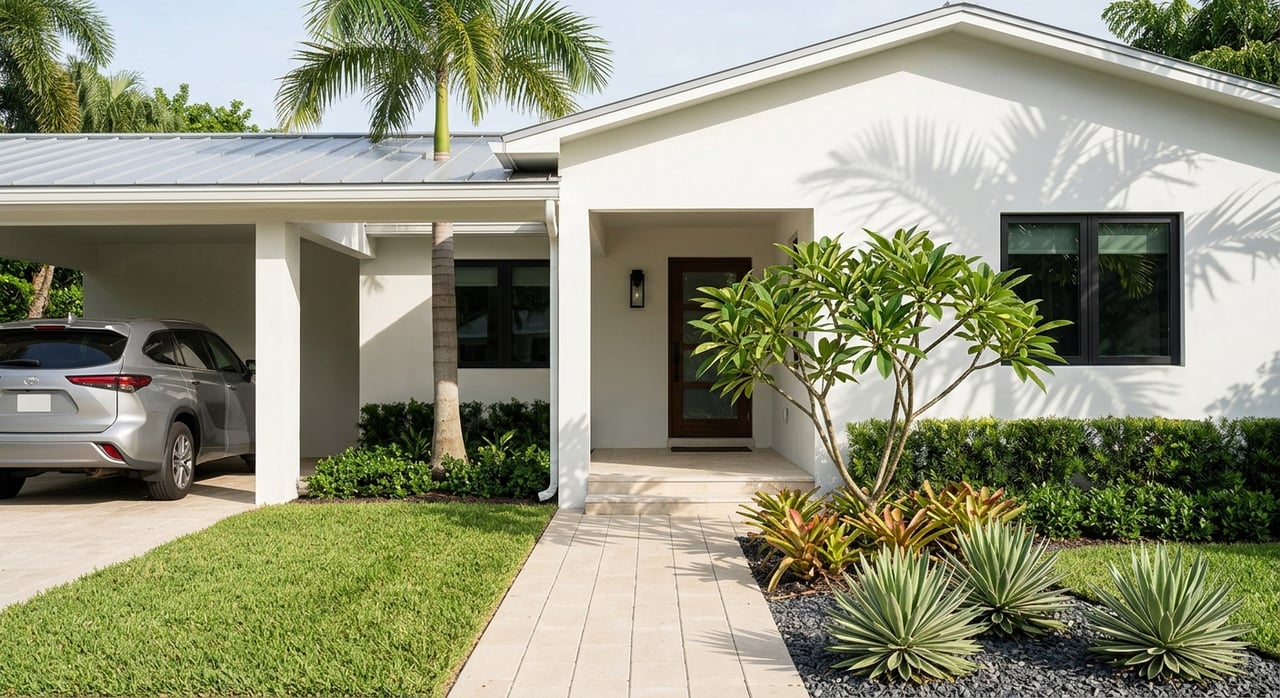
Living in Westchester Miami: A Look at Daily Life
June 25, 2026
June 25, 2026
If you are wondering what day-to-day life in Westchester actually feels like, the short answer is this: it is practical, rooted, and very Miami. This is the kind of neighborhood where routines matter, local spots become part of your week, and errands, meals, and park time often stay close to home. If you are thinking about moving here, selling here, or simply getting to know the area better, this guide will help you picture the rhythm of everyday life. Let’s dive in.
Westchester is a Miami-Dade neighborhood and census-designated place bounded by SW 8th Street, SW 40th Street, the Palmetto Expressway, and SW 117th Avenue. County history shows it expanded quickly after World War II, with much of its growth taking shape during the 1950s and 1960s. That history still shows up in the neighborhood’s overall feel today.
Miami-Dade planning materials describe Westchester as a fully built area of well-kept homes. In everyday terms, that often translates to a neighborhood that feels established rather than fast-changing. You are not stepping into a high-rise district here. You are stepping into a residential pocket with deep local roots.
Recent Census Bureau estimates show 17,383 households in Westchester, with an average of 2.76 people per household. The owner-occupied housing rate is 65.2%, which points to a community with a strong base of long-term homeowners. That does not define every household, but it does support the idea of a more stable residential environment.
Another number helps paint the picture. Census data reports that 90.5% of residents lived in the same home one year earlier. That kind of continuity can shape the feel of a neighborhood in small but important ways, from familiar routines to long-standing local connections.
Westchester sits along major east-west and north-south corridors, so daily movement tends to be car-first based on the street network and built form. That means your routine may involve driving to work, school, the store, or a park, then circling back home. For many Miami-Dade households, that rhythm feels familiar.
At the same time, local transit is part of the picture. The Miami-Dade Westchester 82 Circulator runs Monday through Saturday and connects destinations including FIU Terminal, SW 24th Street and SW 94th Court, SW 32nd Street and SW 87th Avenue, SW 40th Street and SW 82nd Avenue, SW 79th Avenue and SW 24th Street, and SW 8th Street and SW 71st Avenue.
The route also links useful everyday stops like Tropical Park, Westchester Shopping Center, West Dade Regional Library, FIU Maidique Campus, and Tamiami Blvd Metrobus Terminal. That makes it possible to combine errands, appointments, and community stops into one local loop. Census Bureau data lists the mean travel time to work at 29.6 minutes, which aligns with a typical suburban Miami commute.
One of the most practical things about Westchester is how local many daily needs can feel. County history notes the role of Westchester Shopping Center in the area’s postwar commercial growth, and that legacy still helps explain the neighborhood’s errand pattern today. The area often feels organized around useful retail and service stops rather than only destination dining.
That matters in everyday life. You may not need a big production to get through your afternoon. A coffee run, a quick pickup, a stop at the library, and dinner plans can all fit into a relatively compact routine.
Westchester’s everyday food identity is strongly tied to Cuban and Latin American culture. In practical terms, that means bakery counters, coffee windows, casual lunch spots, and long-running local restaurants are woven into the neighborhood rhythm. The food scene here is not just about where you eat. It is part of how people connect.
Original Río Cristal says it has been in the heart of Westchester since 1974 and describes itself as a meeting place for generations. County history also identifies La Carreta on Bird Road as a popular community gathering spot. Those kinds of long-running businesses help give the neighborhood a familiar and lived-in feel.
You can also see that in smaller daily stops. Odaly’s Delight Cafe on SW 24th Street serves breakfast and lunch on weekdays, while Karla Cuban Bakery Westchester on Bird Road offers Cuban coffee, sandwiches, pastelitos, croquetas, and party platters. For many people, that means everyday life in Westchester may start with cafecito and end with a quick, easy dinner close to home.
Tropical Park is one of the biggest quality-of-life anchors in and around Westchester. Miami-Dade says the park was developed on the site of a former horse track and now attracts about 1.5 million visitors each year. It offers miles of paved paths, a fitness court, a boxing center, and equestrian facilities.
That gives you a lot of flexibility in how you use it. A weekday visit might mean a walk, a workout, or fresh air after work. A weekend stop can feel more like a family outing or a place to stretch out and spend time outdoors.
Tamiami Park adds another layer to the local routine. Located just south of FIU’s south campus, it offers sports fields, a year-round pool, youth programs, and open space. Local coverage also notes its Friday food truck court, which adds one more casual option for the week.
Together, these parks help explain why Westchester can feel active without feeling rushed. Recreation is not far away, and outdoor time can fit naturally into your schedule.
Westchester is not only about houses, roads, and restaurants. It also has a civic rhythm that can make everyday life feel fuller and more connected. Westchester Regional Library at 9445 Coral Way serves as a true neighborhood hub.
According to Miami-Dade Public Library System information, the branch offers meeting rooms, mobile printing, reservable space, and a calendar that includes English conversation, LEGO clubs, career support, and family-oriented events. That range matters because it supports different parts of daily life, from homework help to community meetings to after-school activities.
The Westchester Cultural Arts Center at Tropical Park adds another community layer. County materials describe programming and instruction focused on Hispanic arts and culture for families and children in western Miami-Dade. For residents, that means the local routine can include more than errands and commutes. It can also include creative and cultural time close to home.
If you picture a normal weekday in Westchester, it often starts with a home-based routine and a quick coffee or breakfast stop nearby. From there, the day may move into a work commute, a school drop-off, or both, with major corridors shaping how you get around. By late afternoon, many of the neighborhood’s strengths become more visible.
You might head to Tropical Park for a walk, make a stop at the library, run a few errands around local shopping areas, and pick up dinner from a familiar neighborhood restaurant or bakery. On weekends, that same routine often stretches out a bit more. Park time, family meals, and community stops can take center stage.
Westchester may appeal to you if you want an established Miami neighborhood with a strong residential identity. The combination of owner occupancy, neighborhood continuity, practical shopping, local food culture, and park access creates a lifestyle that often feels steady and usable. It is less about novelty and more about everyday function.
That can be especially helpful if you are comparing neighborhoods based on how they will actually work for your routine. A place can look good on a map and still feel disconnected in real life. Westchester’s appeal is that many of its daily patterns are easy to understand and easy to repeat.
Lifestyle is one of the most important parts of real estate, especially in a neighborhood like Westchester. Buyers are often looking beyond square footage and asking what life will feel like once they move in. Sellers benefit when that story is told clearly and honestly.
In Westchester, that story is not flashy. It is grounded in consistency, local culture, established homes, and practical amenities that support daily life. When you understand that rhythm, you can make better decisions whether you are buying your next place or preparing to list your current one.
If you are thinking about buying or selling in Westchester or nearby Miami-Dade neighborhoods, working with a local advisor who understands both the neighborhood and the transaction process can make a real difference. Connect with Jordan Casanas for a clear, consultative approach rooted in local knowledge and The Casañas Way.
Stay up to date on the latest real estate trends.
Primary phone
(305) 244-8060Secondary phone
(786) 580-8485Website
http://casanasre.comLicense Number
#3310814Address
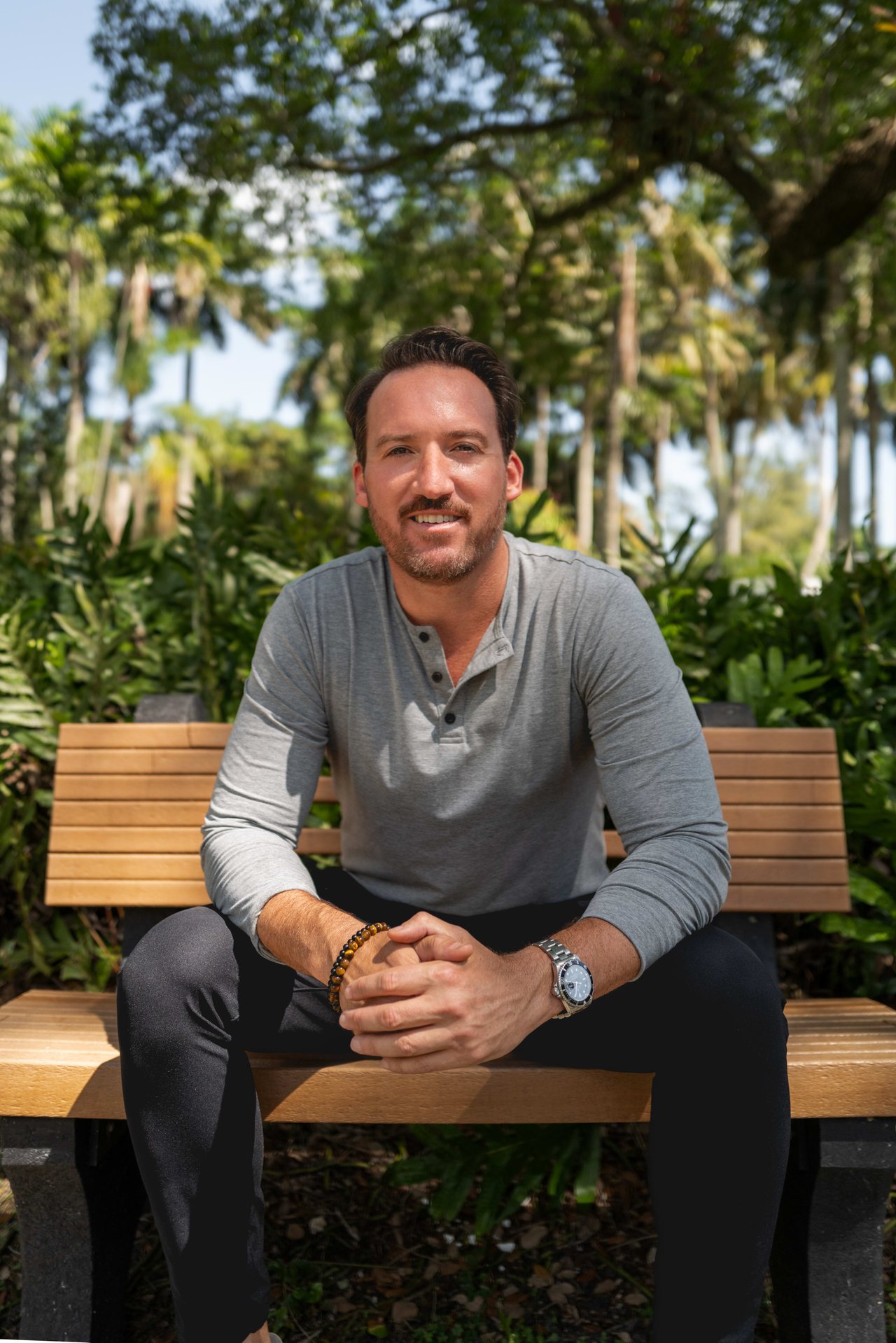
2666 Brickell AveJordan Casañas is a bilingual Miami native of Cuban descent and a real estate professional with Fortune Christie's International Real Estate. As a Master’s Circle Agent and the face of The Casañas Way, Jordan has built a relationship-driven approach centered on intention, community, and long-term value. The Master’s Circle designation represents a select network of top-performing agents recognized for exceptional production, professionalism, and global reach, allowing Jordan to connect clients with high-level opportunities and international exposure through one of the world’s most recognized luxury real estate networks.
Deeply rooted in Miami, he attended Belen Jesuit Preparatory School and Florida International University, creating lifelong connections throughout neighborhoods such as Glenvar Heights, South Miami, and beyond.
Jordan began his career in the real estate industry in 2000 as a title processor and later opened his own Title Insurance Agency, where he still maintains an active license. With more than 23 years of experience spanning title, negotiations, investments, and both residential and commercial real estate, he brings a comprehensive understanding of every stage of the transaction process.
Through The Casañas Way, Jordan works closely with buyers, sellers, and investors to strategically build and manage real estate portfolios. His team guides clients from identifying and acquiring opportunities to positioning, marketing, and long-term property management, creating an experience designed to protect and grow value over time. His approach combines market expertise, intentional strategy, and personalized service, helping clients not only complete transactions, but confidently build their future through real estate.
Beyond his work in the industry, Jordan is also a Certified Master Gardener and founder of the Atala Coontie Project, an initiative focused on restoring native habitats and supporting the endangered Atala butterfly. He is also actively involved in the restoration and preservation efforts of the Blue Lake area in South Miami, helping bring awareness to the importance of protecting local ecosystems and preserving the natural beauty of the community for future generations.
His work reflects a thoughtful blend of lifestyle, sustainability, community preservation, and investment, integrating a deeper sense of purpose into the way he lives and serves others.