Homestead Homes That Work For Remote And Hybrid Schedules
July 2, 2026
July 2, 2026
Need a home that supports your workweek, not just your weekends? If you split time between home and the office, Homestead can offer a practical mix of space, connectivity, and access across Miami-Dade. The key is knowing how to weigh commute time, layout, and day-to-day livability so your next move fits the way you actually live and work. Let’s dive in.
Homestead stands out as a remote-first or hybrid-friendly option in Miami-Dade because it combines varied housing choices with solid digital basics. Census data shows broadband subscriptions in 91.2% of households and computer ownership in 95.6% of households, which gives many buyers a strong starting point for work-from-home needs.
It also helps to look at the bigger lifestyle picture. Homestead has 85,796 residents and 25,638 households, with an average of 3.21 people per household. That means many buyers are balancing work, family routines, storage needs, and shared spaces all at once.
For office days, distance matters. The City of Homestead places Miami about 30 miles north, and Census figures show a mean travel time to work of 35.8 minutes. If you only commute a few times a week, that tradeoff may feel manageable, but it is worth planning for before you buy.
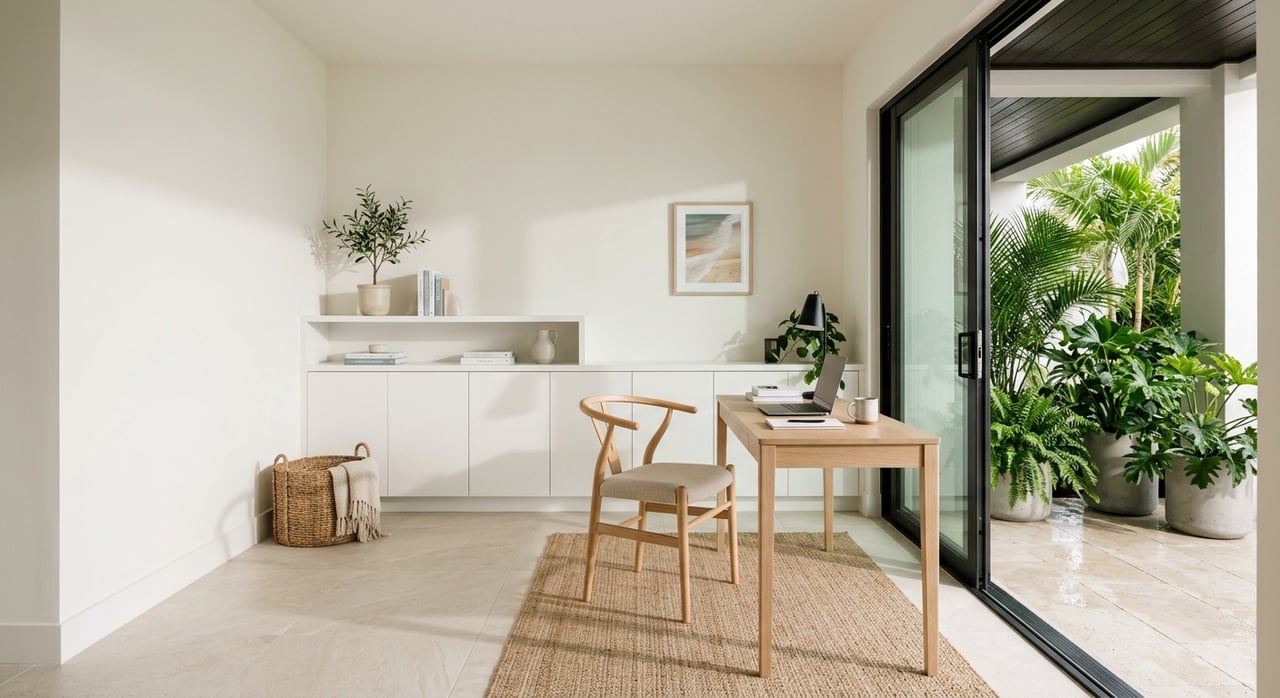
A home that works for remote or hybrid schedules is not just about square footage. It is about how the layout supports focus, privacy, and flexibility during the day.
In Homestead, the most useful search features often include:
These details can make a major difference in how a home feels Monday through Friday. A spare corner in the living room may work short term, but a more defined workspace usually supports better long-term comfort and productivity.
A larger home is not always the better fit. Sometimes a well-planned townhome or two-story layout gives you better separation between work and home life than a bigger but more open floor plan.
When you tour homes, pay attention to noise flow, door placement, and how close the workspace is to kitchens, TVs, or main gathering areas. If multiple people are home during the day, that separation becomes even more valuable.
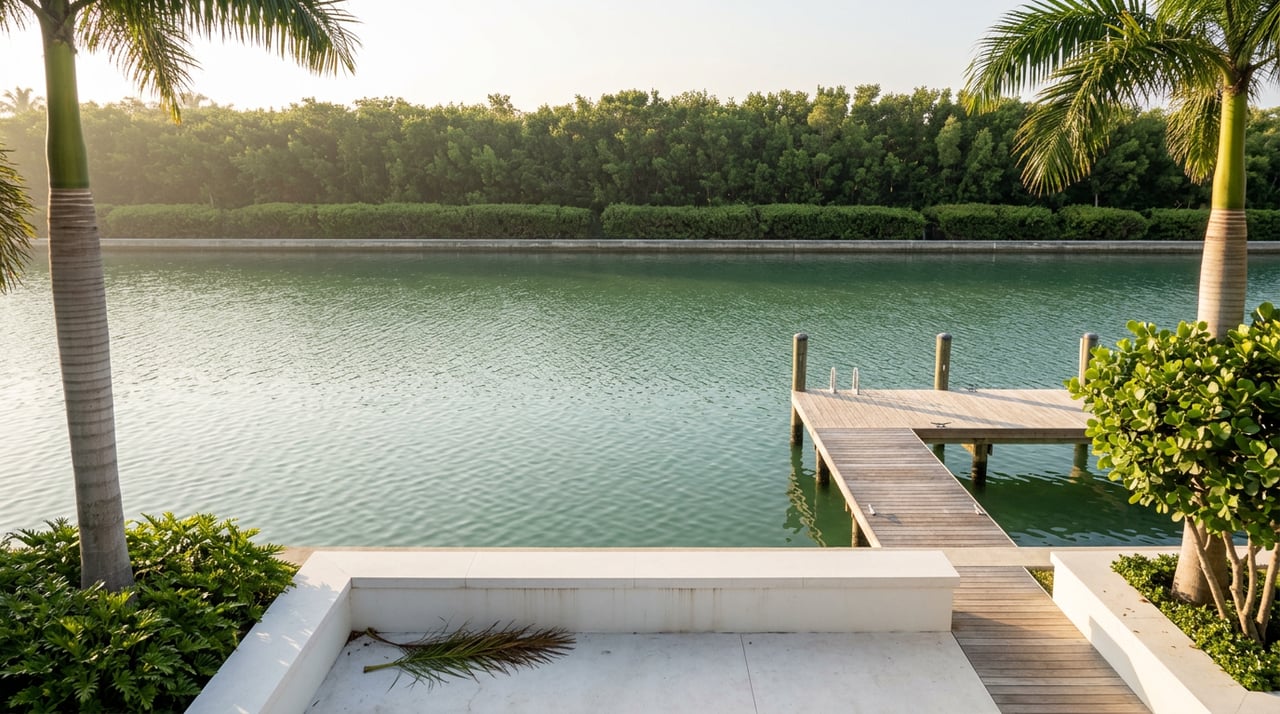
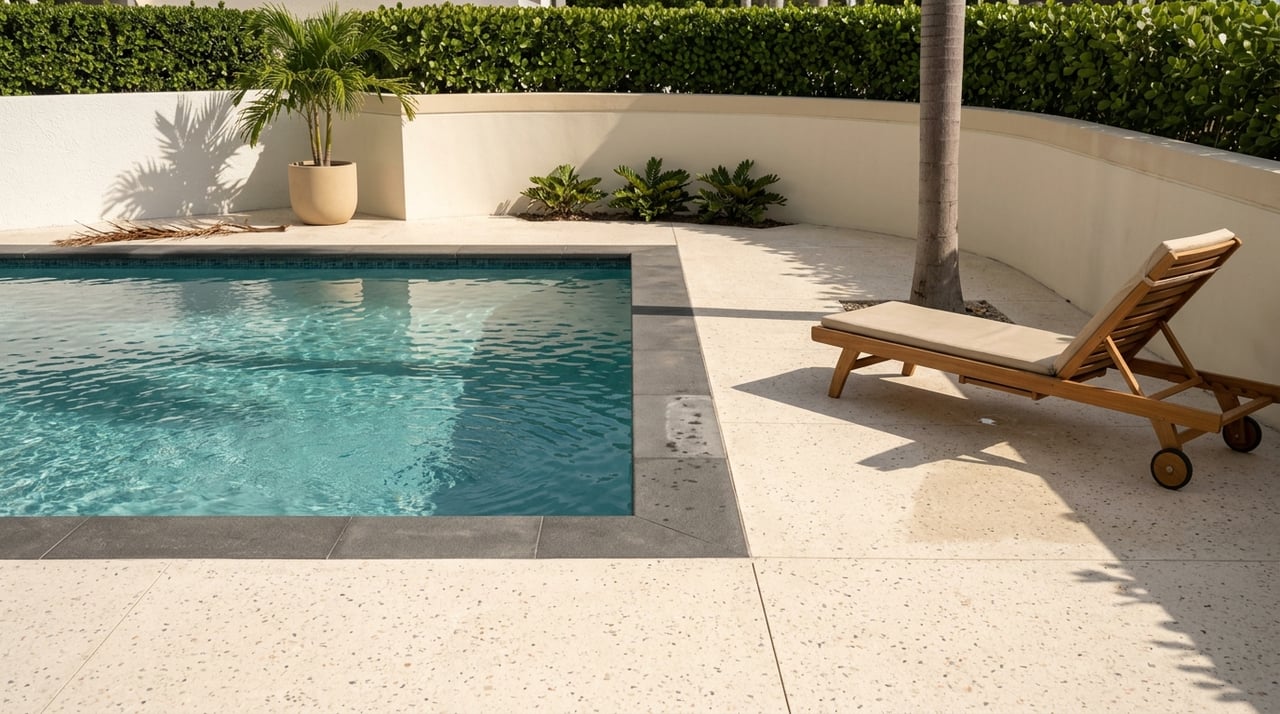
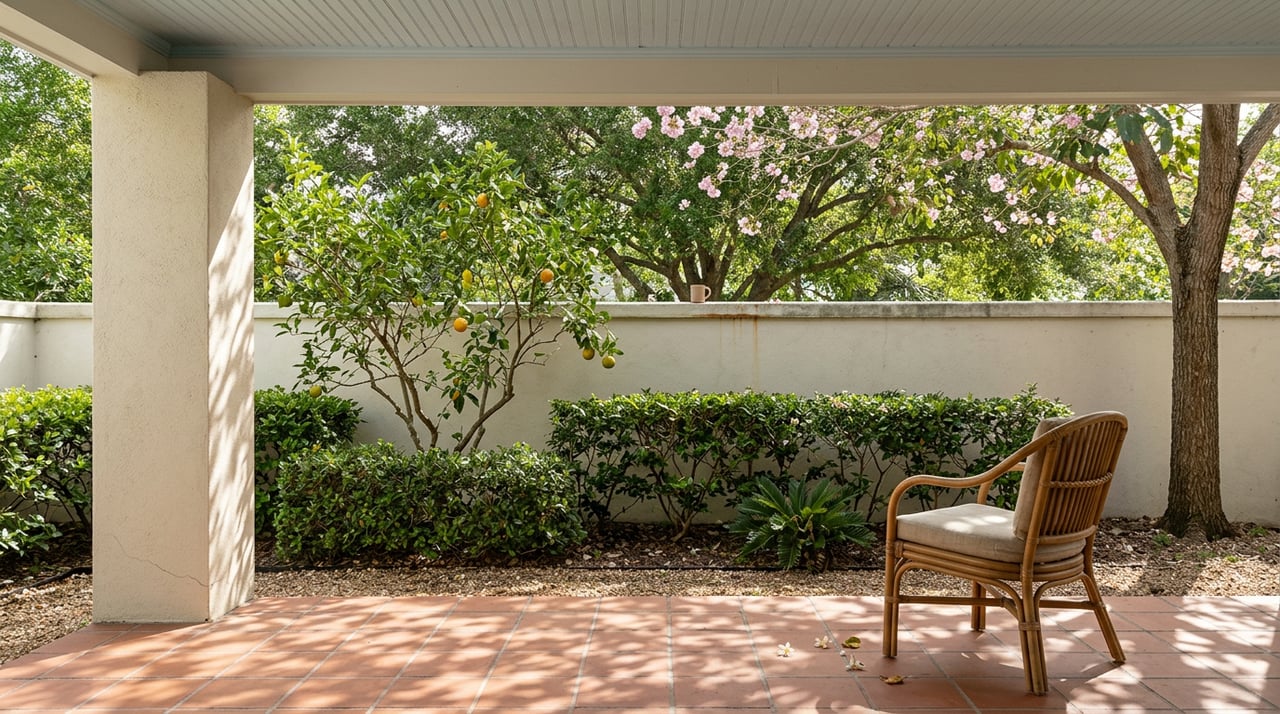
For many hybrid buyers, outdoor space is more than a bonus. It can serve as a quick reset area between meetings, a spot for phone calls, or a place to unwind after a commute day.
If you are thinking beyond a patio and considering future improvements, parcel-level checks matter. The City of Homestead links FEMA flood map resources and notes that map materials may contain inaccuracies, so verifying conditions for a specific property is important before planning yards, accessory structures, or a future studio setup.
One reason Homestead can work for different schedules and budgets is its range of residential formats. City zoning documents show one-family districts, one- or two-family districts, and townhouse, cluster-house, and multiple-apartment districts.
That variety gives you options depending on how you want to live. You may prefer a detached home with room for a true office, or you may want a lower-maintenance townhome that still gives you enough separation for productive workdays.
Detached homes often appeal to buyers who want extra bedrooms, garage space, or a yard. If your schedule includes frequent video calls, equipment storage, or shared living arrangements, that extra flexibility can be a real advantage.
They may also offer more long-term adaptability. A guest room, den, or bonus area can evolve with your needs as your work routine changes.
Townhomes and multifamily-style options can be worth a close look if you want lower exterior upkeep or a more efficient footprint. In some cases, these layouts still offer enough room for a dedicated office while reducing maintenance demands.
That can be especially helpful if your week includes commuting, travel, or irregular hours. The right fit depends less on property type alone and more on how well the floor plan supports your routine.
If you are shopping for a quiet work environment, broad assumptions about one part of Homestead will only get you so far. City planning documents show both compact mixed-use areas and more residential areas, which means noise and activity levels are better judged street by street rather than by city name alone.
That is an important point for hybrid buyers. A home near shopping, transit, or a busier corridor may offer convenience, while a more residential block may better support focused workdays at home.
The Community Redevelopment Area includes the Historic Downtown District and the Southwest Community. The Southwest Master Plan is intended to support compact, pedestrian-friendly, mixed-use development.
For some buyers, that can be a plus. If you like having services, activity, and connected corridors nearby, these areas may align with your lifestyle.
Other parts of Homestead may feel more centered on residential living patterns. If your top priorities are a quieter daily setting and a stronger sense of separation from busier corridors, these blocks may deserve extra attention during your search.
The best approach is to compare not just the home, but also the immediate surroundings at different times of day. That helps you understand how the property may function during work hours, school pickup times, evenings, and weekends.
Hybrid living works best when the commute is honest and realistic. Miami may be only 30 miles north of Homestead, but that still makes office access a meaningful decision rather than a quick hop.
If you expect to be in person only occasionally, Homestead may offer a strong value equation. If you need to be in central Miami every day, you will want to think carefully about how that travel rhythm fits your schedule.
Miami-Dade’s South Dade TransitWay is a 20-mile corridor running from the SW 344th Street Park-and-Ride to Dadeland South Metrorail Station. Miami-Dade says the corridor connects Homestead and Florida City to job hubs, hospitals, and schools.
Current service includes Route 34 Transitway Express, Route 38 TransitWay MAX, and Route 35 serving Homestead and Homestead Hospital. Metro Express stations also include free Wi-Fi, real-time arrival displays, bike storage, and all-electric buses with charging ports.
The City of Homestead also operates a free trolley with three routes. Service runs Monday through Friday from 6 a.m. to 6 p.m. and weekends from 10 a.m. to 2 p.m., with routes designed to connect schools, shopping centers, hospitals, Miami-Dade rapid transit stations, and Metrobus lines.
For some buyers, that creates a useful mix of driving, park-and-ride, and transit on office days. Still, the overall experience will feel more bus-based and transfer-dependent than rail-like, so it is smart to match your housing choice to how often you need in-person access.
A hybrid move is not just about finding a desk nook. It is also about deciding what you are willing to pay for more space, a better layout, or an easier office-day routine.
Census QuickFacts estimates Homestead’s median household income at $65,423, median owner-occupied housing value at $380,000, median monthly owner costs with a mortgage at $2,237, and median gross rent at $1,674. Zillow’s March 2026 figures show a typical home value of $436,634 and a median sale price of $430,000.
Those housing figures measure different things, so they should not be treated as conflicting. Instead, they give you a broader picture of where Homestead sits for buyers comparing ownership costs, pricing, and long-term fit.
A work-friendly home should also support how you recharge. Homestead offers dozens of municipal parks, and the city says it is adjacent to Everglades National Park and Biscayne National Park.
That matters if you want your off-hours to feel different from your workday. Easy access to outdoor recreation can make a real difference when you spend much of the week at home.
The city’s National Parks trolley starts in Historic Downtown Homestead and connects visitors to those parks. For buyers who want space during the week and outdoor options after work, that adds another layer of everyday value.
If you are searching for a home that fits a remote or hybrid schedule, try to evaluate each property through the lens of your real weekly routine. It is easy to focus on finishes first, but layout, commute patterns, and the feel of the surrounding street often matter more over time.
A smart home search often starts with a few simple questions:
When you answer those questions clearly, the right options start to stand out faster. That kind of clarity helps you avoid paying for features you do not need while staying focused on the ones that truly improve daily life.
Finding the right fit in Homestead is about more than buying a home. It is about choosing a setup that supports your schedule, reduces friction, and gives you room to live well throughout the week. If you want a thoughtful, local approach to your next move in Miami-Dade, connect with Jordan Casanas for guidance tailored to how you work and live.
Stay up to date on the latest real estate trends.
Primary phone
(305) 244-8060Secondary phone
(786) 580-8485Website
http://casanasre.comLicense Number
#3310814Address
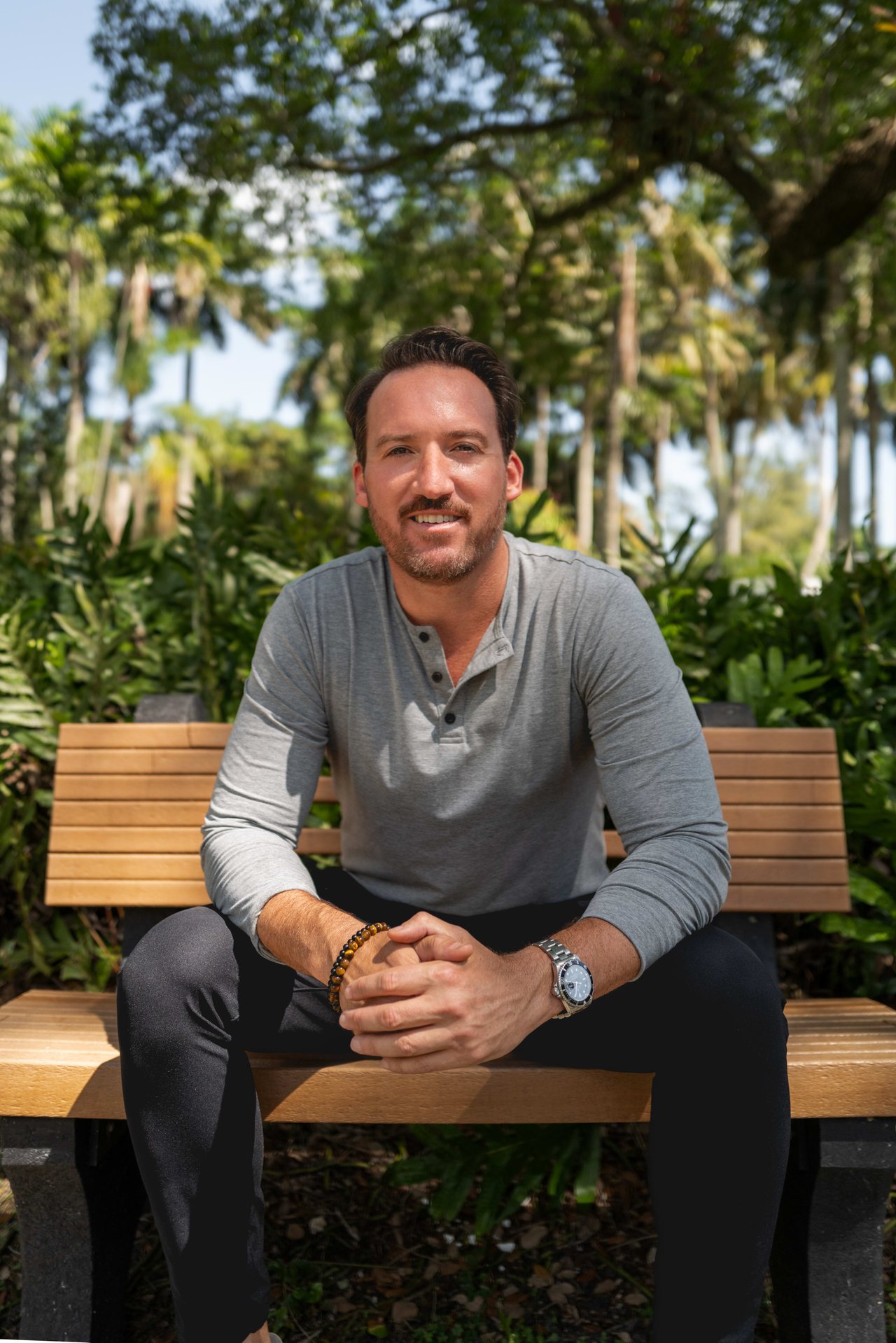
2666 Brickell Ave,Jordan Casañas is a bilingual Miami native of Cuban descent and a real estate professional with Fortune Christie's International Real Estate. As a Master’s Circle Agent and the face of The Casañas Way, Jordan has built a relationship-driven approach centered on intention, community, and long-term value. The Master’s Circle designation represents a select network of top-performing agents recognized for exceptional production, professionalism, and global reach, allowing Jordan to connect clients with high-level opportunities and international exposure through one of the world’s most recognized luxury real estate networks.
Deeply rooted in Miami, he attended Belen Jesuit Preparatory School and Florida International University, creating lifelong connections throughout neighborhoods such as Glenvar Heights, South Miami, and beyond.
Jordan began his career in the real estate industry in 2000 as a title processor and later opened his own Title Insurance Agency, where he still maintains an active license. With more than 23 years of experience spanning title, negotiations, investments, and both residential and commercial real estate, he brings a comprehensive understanding of every stage of the transaction process.
Through The Casañas Way, Jordan works closely with buyers, sellers, and investors to strategically build and manage real estate portfolios. His team guides clients from identifying and acquiring opportunities to positioning, marketing, and long-term property management, creating an experience designed to protect and grow value over time. His approach combines market expertise, intentional strategy, and personalized service, helping clients not only complete transactions, but confidently build their future through real estate.
Beyond his work in the industry, Jordan is also a Certified Master Gardener and founder of the Atala Coontie Project, an initiative focused on restoring native habitats and supporting the endangered Atala butterfly. He is also actively involved in the restoration and preservation efforts of the Blue Lake area in South Miami, helping bring awareness to the importance of protecting local ecosystems and preserving the natural beauty of the community for future generations.
His work reflects a thoughtful blend of lifestyle, sustainability, community preservation, and investment, integrating a deeper sense of purpose into the way he lives and serves others.