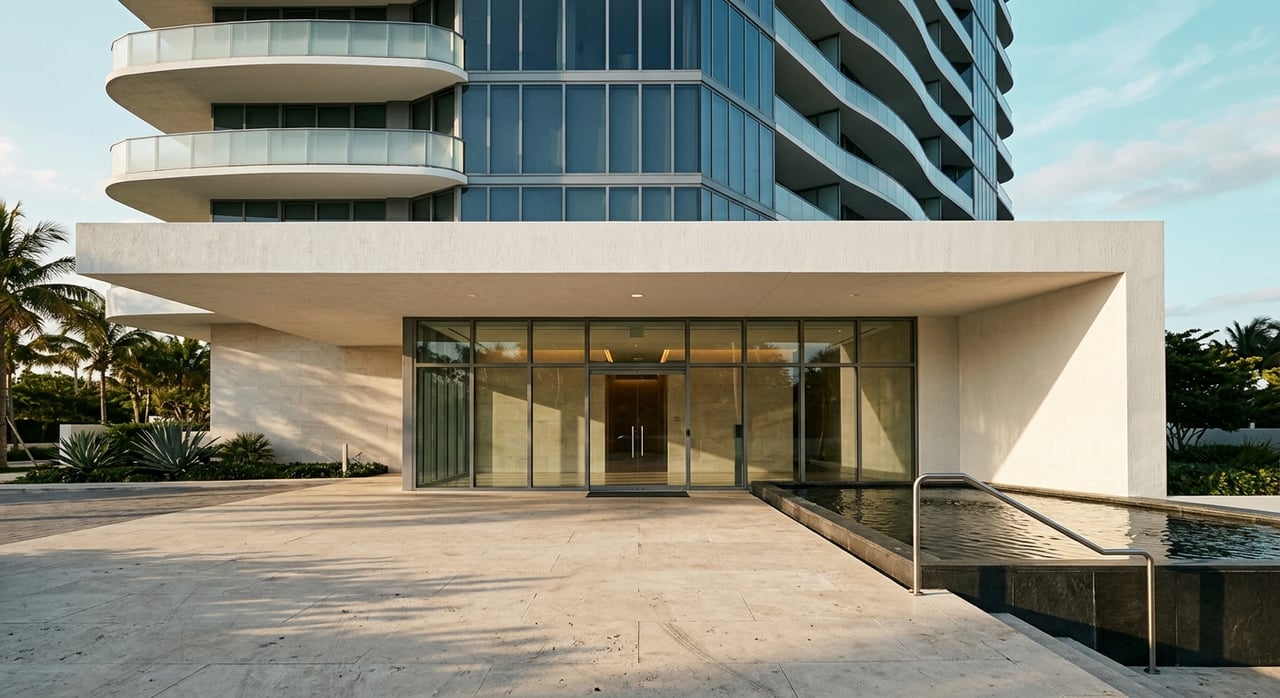
How To Choose The Right Sunny Isles Beach Condo Tower
June 18, 2026
June 18, 2026
Shopping for a condo in Sunny Isles Beach can feel simple at first. You see the ocean, the balconies, the pool deck, and it is easy to assume the right tower will reveal itself. But in this market, the best choice is usually not the one with the flashiest lobby. It is the one that fits how you plan to live, rent, insure, and maintain your investment over time. Let’s dive in.
In Sunny Isles Beach, location means more than an address on the sand. The city sits on a barrier island between the Atlantic Ocean and the Intracoastal Waterway, so even buildings that look similar on a map can offer very different day-to-day experiences.
When you compare towers, look at how you will actually access the beach. The city lists public access points including Samson Oceanfront Park, Pier Park, and Newport Fishing Pier. It also notes that most municipal lots are $2 per hour, while the Ellen Wynne and Pier Park lots are $3 per hour.
That may sound like a small detail, but it affects convenience for you and your guests. A tower near an easy access point or nearby parking can feel very different from one that looks comparable in listing photos.
A condo’s value is tied to how usable the location feels once you move in. Sunny Isles Beach provides public information on beach access, beach rules, lifeguard coverage, and even a live beach cam, which gives you a more practical view of each area.
If you plan to use the beach often, compare towers based on walking routes, nearby access points, and how simple it is to park or host visitors. A building can be oceanfront, but still work better or worse for your routine depending on access and surrounding logistics.
Flood exposure should be one of your first screens, not a last-minute concern. Sunny Isles Beach says it is particularly susceptible to flooding from major rain events and storm surge because it is a barrier island near sea level.
The city now offers a public flood-risk portal with property-level information, including flood zones, Base Flood Elevation, Design Flood Elevation, and elevation certificates. That gives you a clearer way to compare two towers that may look similar but carry different levels of risk and insurance friction.
The city also states that Sunny Isles Beach residents are required to evacuate when Miami-Dade orders a Zone B evacuation. If you are buying here, it helps to understand that ocean proximity and flood exposure go hand in hand.
Once a tower passes the location test, look at age and structural oversight. In coastal South Florida, this is one of the most important parts of condo due diligence.
Florida’s milestone inspection law applies to condominium and cooperative buildings that are three habitable stories or more. Miami-Dade’s recertification portal says coastal buildings are recertified at 25 years, inland buildings at 30 years, and then every 10 years after that.
That means an older tower may still be a strong option, but it deserves closer review. You want to know not only the year it was built, but also where it stands in the inspection and recertification cycle.
After Surfside, Sunny Isles Beach said it initiated proactive inspections of commercial and multifamily buildings built prior to 1982 and reviewed prior inspection paperwork. That does not mean older inventory should be avoided. It means you should review it with more discipline.
If you are comparing an older tower to a newer one, do not stop at finishes or views. Ask how each building has handled inspections, repairs, and long-term maintenance planning.
Florida’s Structural Integrity Reserve Study, often called SIRS, matters just as much as the milestone inspection. For residential condos that are three stories or higher, the study must address major building components such as the roof, structure, fireproofing and fire protection systems, plumbing, electrical systems, waterproofing and exterior painting, and windows and exterior doors.
The study also covers other items over $10,000 that affect those systems. For many buyers, this is one of the clearest windows into how seriously a building is planning for future costs.
A polished lobby can be nice. A well-documented reserve plan is usually more important.
One of the best ways to choose the right Sunny Isles Beach condo tower is to compare association finances before you fall in love with the amenity deck. Miami-Dade County requires community associations, including condominiums, to register annually and upload governing documents, current financial statements, adopted budgets, planned capital projects, insurance certificates, and structural reports from the last 10 years.
That makes the county registry a strong public starting point. It can help you spot differences between towers that may not show up in a standard listing description.
As you narrow your shortlist, focus on the same core set of documents for every tower:
This side-by-side approach helps you stay objective. It also reduces the chance that you will overpay for appearances while missing a more stable building next door.
Some of the most important questions are practical. Are there current special assessments, reserve loans, or major planned capital projects? Are there open permits, code issues, or unresolved repair items?
Sunny Isles Beach’s Building Department is fully digital, with online permit applications, fee payments, inspections, records requests, and downloadable recertification forms. That makes it easier to verify whether a building has unfinished work or active compliance issues before you get too far into the process.
A great tower for a full-time owner may be the wrong fit for an investor. In Sunny Isles Beach, this difference matters a lot.
The city treats short-term vacation rentals in condos, apartments, and cooperatives as rentals of six months or less. Owners or responsible parties must obtain a city Short-Term Vacation Rental License before advertising or renting, renew it each year, maintain required state and county tax registrations, and secure a separate license for each unit.
The city also says secondary subletting is not allowed, and the application requires either a consent letter from the condominium association or a copy of the bylaws. In other words, city permission does not override condominium restrictions.
If you plan to rent your condo, verify the tower’s minimum lease terms, approval procedures, and whether association rules are stricter than the city’s licensing rules. A building that works well for seasonal use may function very differently from one geared more toward longer-term occupancy.
This is one of the biggest reasons buyers should not shop condo towers by photos alone. Two buildings on the same stretch of beach can operate like very different products.
Renovation rules matter more than many buyers expect, especially if you plan to update a unit after closing. The city says condo owners must use a licensed contractor for work in a condominium building, and construction hours are limited.
That can affect your timeline and your budget. If you are buying a unit that needs work, ask early about building procedures and what the city requires.
Parking also deserves a closer look. Sunny Isles Beach operates resident-only parking permit areas and requires a city-issued Resident ID card for parking permit eligibility, so parking convenience should be checked building by building instead of assumed.
Sunny Isles Beach gives buyers an unusually strong set of public tools. The city’s GIS maps let you search by address, folio, or owner name and layer in zoning, land use, beach accesses, municipal parking, and aerial photography.
For out-of-area buyers, that is especially helpful. You can start comparing towers in a more informed way before you ever schedule a showing.
When you combine city maps, the flood-risk portal, building records, and association documents, you get a much better picture of what you are buying. That is how you move from a pretty condo search to a smart condo decision.
The right Sunny Isles Beach condo tower is usually the one that matches your actual plan. If you want a primary residence, you may care most about building stability, parking, access, and predictable costs. If you want a part-time residence or investment property, rental rules and operational friction may matter just as much as the view.
This is where a consultative approach helps. When you compare towers through the lens of flood profile, age, reserve posture, inspections, rules, and daily usability, the right fit becomes much clearer.
If you want help narrowing down Sunny Isles Beach condo options with a practical, building-by-building strategy, connect with Jordan Casanas. You will get local guidance, clear process insight, and a more confident path to the right decision.
Stay up to date on the latest real estate trends.
Primary phone
(305) 244-8060Secondary phone
(786) 580-8485Website
http://casanasre.comLicense Number
#3310814Address
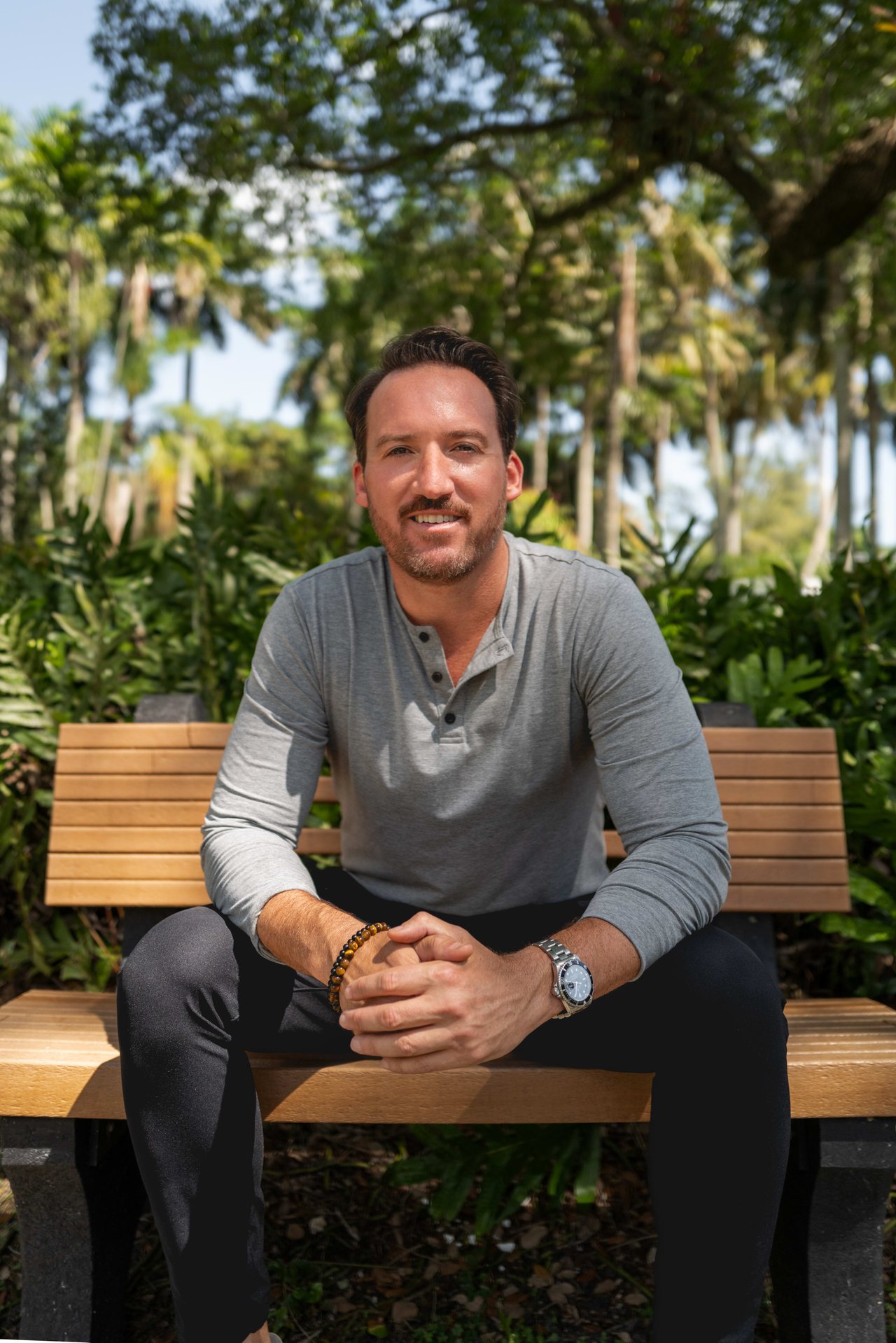
2666 Brickell Ave,Jordan Casañas is a bilingual Miami native of Cuban descent and a real estate professional with Fortune Christie's International Real Estate. As a Master’s Circle Agent and the face of The Casañas Way, Jordan has built a relationship-driven approach centered on intention, community, and long-term value. The Master’s Circle designation represents a select network of top-performing agents recognized for exceptional production, professionalism, and global reach, allowing Jordan to connect clients with high-level opportunities and international exposure through one of the world’s most recognized luxury real estate networks.
Deeply rooted in Miami, he attended Belen Jesuit Preparatory School and Florida International University, creating lifelong connections throughout neighborhoods such as Glenvar Heights, South Miami, and beyond.
Jordan began his career in the real estate industry in 2000 as a title processor and later opened his own Title Insurance Agency, where he still maintains an active license. With more than 23 years of experience spanning title, negotiations, investments, and both residential and commercial real estate, he brings a comprehensive understanding of every stage of the transaction process.
Through The Casañas Way, Jordan works closely with buyers, sellers, and investors to strategically build and manage real estate portfolios. His team guides clients from identifying and acquiring opportunities to positioning, marketing, and long-term property management, creating an experience designed to protect and grow value over time. His approach combines market expertise, intentional strategy, and personalized service, helping clients not only complete transactions, but confidently build their future through real estate.
Beyond his work in the industry, Jordan is also a Certified Master Gardener and founder of the Atala Coontie Project, an initiative focused on restoring native habitats and supporting the endangered Atala butterfly. He is also actively involved in the restoration and preservation efforts of the Blue Lake area in South Miami, helping bring awareness to the importance of protecting local ecosystems and preserving the natural beauty of the community for future generations.
His work reflects a thoughtful blend of lifestyle, sustainability, community preservation, and investment, integrating a deeper sense of purpose into the way he lives and serves others.