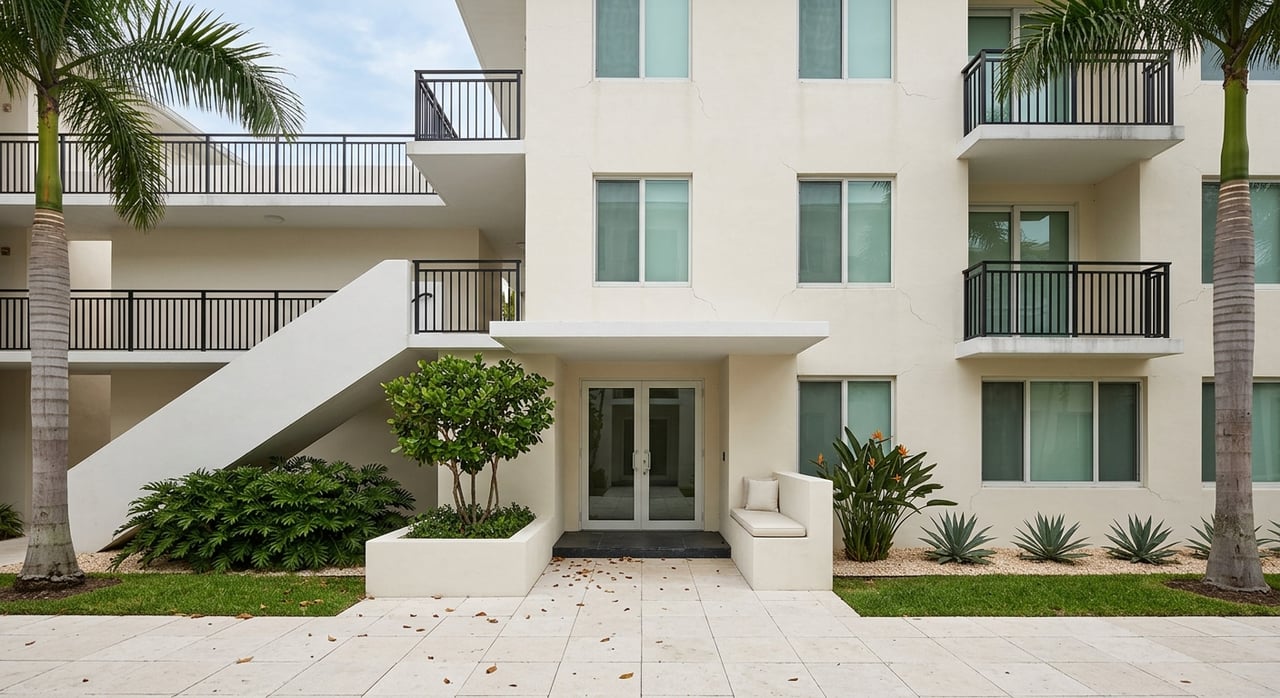
Winston Park Condo Buying Tips for Careful Buyers
July 16, 2026
July 16, 2026
If you are buying in Winston Park, one wrong assumption can cost you time and money. Many buyers hear “Winston Park” and think they are dealing with one simple association setup, but the official community history points to a neighborhood built around 1,481 single-family homes under an HOA structure. That means if you are considering a condo or townhome in or near the Winston Park area of Kendale Lakes, your first job is to confirm exactly what you are buying. This guide will help you review the right documents, spot financial and maintenance red flags, and protect your contract timeline before your inspection period expires. Let’s dive in.
Before you use a condo checklist, verify whether the property is actually a condominium, a townhome in an HOA, or another ownership form. Winston Park’s official HOA site describes the community as an HOA neighborhood of single-family homes, not a blanket condo community.
That matters because your rights, deadlines, records access, and estoppel details can change depending on whether Chapter 718 for condominiums or Chapter 720 for HOAs applies. A serious buyer should ask for the governing declaration right away so you know which rules and disclosures control the deal.
If the property is a condominium resale, Florida law gives you the right to receive key association documents at the seller’s expense. These include the declaration, articles, bylaws, rules, annual financial statement, annual budget, and the FAQ document.
If applicable, you should also receive the milestone inspection summary, the most recent structural integrity reserve study, and the turnover inspection report. This is not just helpful paperwork. It is tied to your contract rights and timing.
Florida condo resale contracts must include the 7-day voidability language after delivery of the required documents. In plain terms, document delivery is a real deadline in the transaction, not something to leave until the end.
If the property turns out to be an HOA parcel instead of a condo, you still have useful records rights. Florida HOA law requires official records access within 10 business days after a written request, and estoppel certificates must also be issued within 10 business days.
Once you confirm the association type, focus on the documents that tell you how the property is run and what costs may be coming next. Your review should go beyond monthly dues.
Here are the most important items to request and read:
Miami-Dade’s Community Associations Registry can also serve as a second source for association information. The county says the registry is informational only, but it may help you confirm governing documents, financial statements, annual budgets, planned capital projects, structural-status reports from the last 10 years, and a certificate of insurance.
For condo purchases, official association records are open to inspection. The association must keep records organized, make them available within 10 working days after a written request, and provide a checklist showing what was made available.
Those records can include budgets, financial reports, inspection reports, building permits, contracts, bids, insurance policies, and the latest structural integrity reserve study if one exists. This is where you can often see whether the association is proactive or reacting late to known issues.
If records are incomplete, disorganized, or slow to appear, treat that as a due diligence signal. A missing answer is not the same as a good answer.
One of the biggest risks in any condo purchase is buying into an association with weak reserves or major repairs on the horizon. In Florida, condo budgets must include reserve accounts for capital expenditures and deferred maintenance.
For buildings subject to structural integrity rules, reserve funding must match the most recent structural integrity reserve study. For budgets adopted on or after December 31, 2024, a unit-owner-controlled association that must obtain that study generally may not vote to waive or underfund reserves for the statutory structural items.
That is important because low monthly dues do not always mean low ownership costs. Sometimes they simply mean the real bill is still coming.
Pay close attention to these red flags:
If the association uses a special assessment, loan, or line of credit to fund structural repairs, the reserve study must be updated to show that funding method and its effect on future assessments. That gives you a clearer picture of whether today’s payment level is likely to change after closing.
Buyers often mix these up, but they are not the same thing. A milestone inspection is separate from a structural integrity reserve study.
Under Florida law, a milestone inspection is required for condo and co-op buildings that are three habitable stories or more by the year the building turns 30, and then every 10 years after that. A structural integrity reserve study is also required at least every 10 years for each condo building that is three habitable stories or higher.
The reserve study must cover major structural and building systems, including:
For older unit-owner-controlled associations that existed on or before July 1, 2022, the required study was due by December 31, 2025, with a limited extension to December 31, 2026 if paired with a milestone inspection. If you are buying an older condo building in the Winston Park area, ask whether these requirements apply and whether they have been completed.
Do not assume the association covers every exterior item. Under Florida condo law, maintenance of common elements is generally the association’s responsibility unless the declaration assigns limited common element maintenance to the owner.
That can affect expensive items like windows, exterior doors, balconies, or hurricane protection. The declaration should clearly say who handles which components and who pays.
If the declaration is vague or silent, treat that as a real issue to sort out before you move forward. In Miami-Dade, where storm protection matters, that question is too important to leave open.
Winston Park’s HOA portal says exterior improvements require Architectural Control Committee approval before work begins. That makes prior exterior work an important part of your review, especially if you see replaced windows, shutters, doors, enclosures, or other visible changes.
Ask for permits and approval letters for any prior work that changed the exterior. This step can help you avoid inheriting violations, unapproved alterations, or future disputes over maintenance responsibility.
Florida law also allows the board to determine who pays for removal or reinstallation of hurricane protection if the declaration is silent. That is one more reason to confirm both the paperwork and the maintenance rules before the end of your inspection period.
The estoppel certificate is one of the most important documents in your transaction. In a condo, the association must issue it within 10 business days after request.
It typically shows:
If delivered electronically or by hand, a condo estoppel is generally effective for 30 days. If sent by regular mail, it is generally effective for 35 days.
If the property is an HOA townhome instead, the same practical rule applies. Order the estoppel early enough that it will still be valid at closing, since Chapter 720 uses the same 10-business-day deadline and similar 30- or 35-day effectiveness window.
This is one place where timing matters more than most buyers realize. Waiting too long can create a scramble right before closing.
Association balances and lien issues should be checked early, not after the appraisal or loan commitment is already underway. For condos, the association has a lien for assessments, so payoff figures and delinquent balances need to be confirmed as soon as possible.
A good estoppel helps, but you also want your closing process aligned with it. If your estoppel expires before closing, you may need an updated one, which can create delays.
This is where a careful, title-aware approach can make a real difference. When you treat the association as part of the asset, not a side detail, you reduce the odds of late surprises.
As you review a Winston Park condo or townhome purchase, keep your questions tied to the actual records. Focus on what the documents show, not what you hope they mean.
Ask these questions before your inspection window closes:
Buying in the Winston Park area can be a strong move, but only if your due diligence matches the property type and the association’s actual condition. If you want a careful, local, title-informed approach to reviewing the moving parts before you commit, connect with Jordan Casanas for guidance that keeps your purchase clear, calm, and on track.
Stay up to date on the latest real estate trends.


Primary phone
(305) 244-8060Secondary phone
(786) 580-8485Website
http://casanasre.comLicense Number
#3310814Address
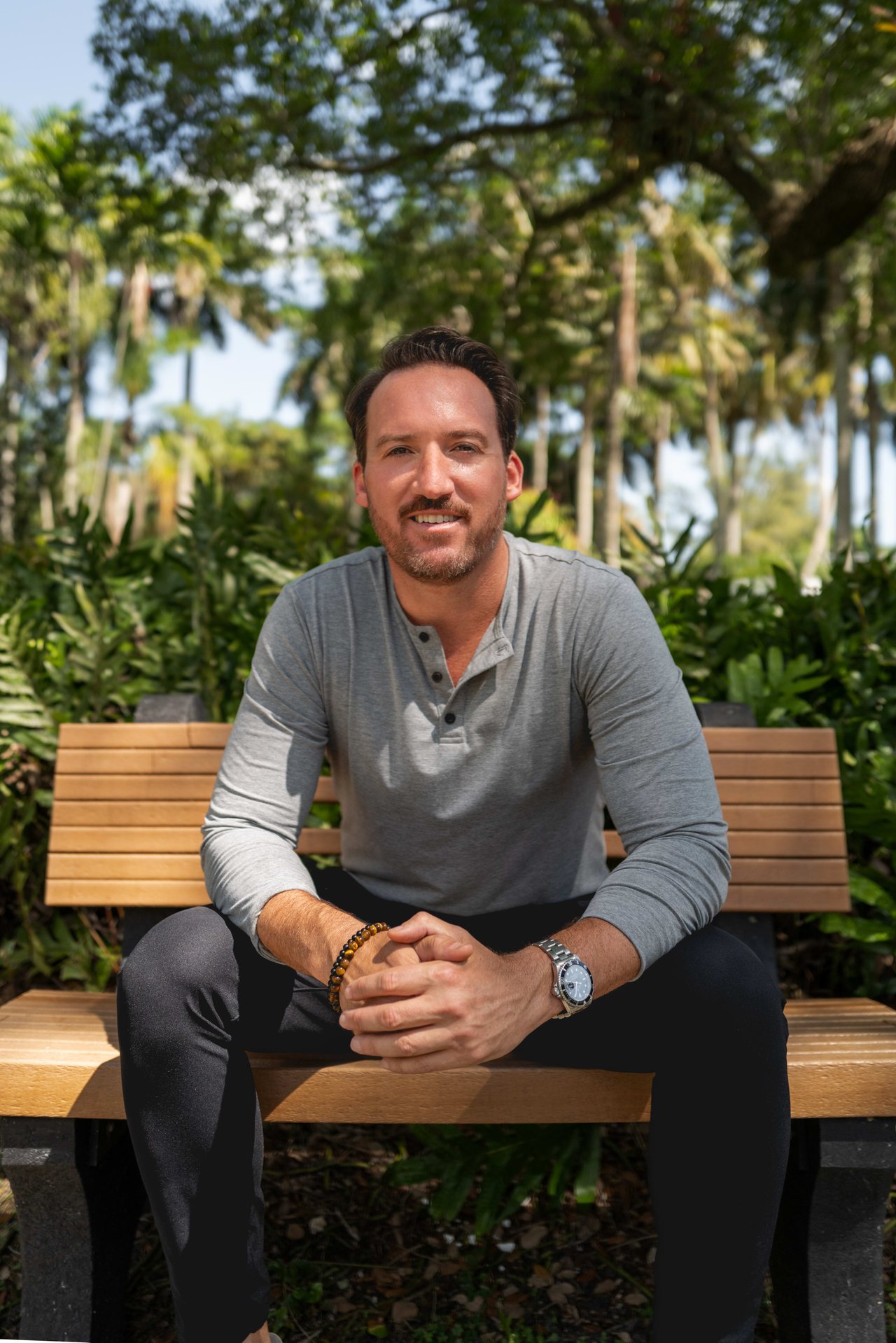
2666 Brickell Ave,Jordan Casañas is a bilingual Miami native of Cuban descent and a real estate professional with Fortune Christie's International Real Estate. As a Master’s Circle Agent and the face of The Casañas Way, Jordan has built a relationship-driven approach centered on intention, community, and long-term value. The Master’s Circle designation represents a select network of top-performing agents recognized for exceptional production, professionalism, and global reach, allowing Jordan to connect clients with high-level opportunities and international exposure through one of the world’s most recognized luxury real estate networks.
Deeply rooted in Miami, he attended Belen Jesuit Preparatory School and Florida International University, creating lifelong connections throughout neighborhoods such as Glenvar Heights, South Miami, and beyond.
Jordan began his career in the real estate industry in 2000 as a title processor and later opened his own Title Insurance Agency, where he still maintains an active license. With more than 23 years of experience spanning title, negotiations, investments, and both residential and commercial real estate, he brings a comprehensive understanding of every stage of the transaction process.
Through The Casañas Way, Jordan works closely with buyers, sellers, and investors to strategically build and manage real estate portfolios. His team guides clients from identifying and acquiring opportunities to positioning, marketing, and long-term property management, creating an experience designed to protect and grow value over time. His approach combines market expertise, intentional strategy, and personalized service, helping clients not only complete transactions, but confidently build their future through real estate.
Beyond his work in the industry, Jordan is also a Certified Master Gardener and founder of the Atala Coontie Project, an initiative focused on restoring native habitats and supporting the endangered Atala butterfly. He is also actively involved in the restoration and preservation efforts of the Blue Lake area in South Miami, helping bring awareness to the importance of protecting local ecosystems and preserving the natural beauty of the community for future generations.
His work reflects a thoughtful blend of lifestyle, sustainability, community preservation, and investment, integrating a deeper sense of purpose into the way he lives and serves others.