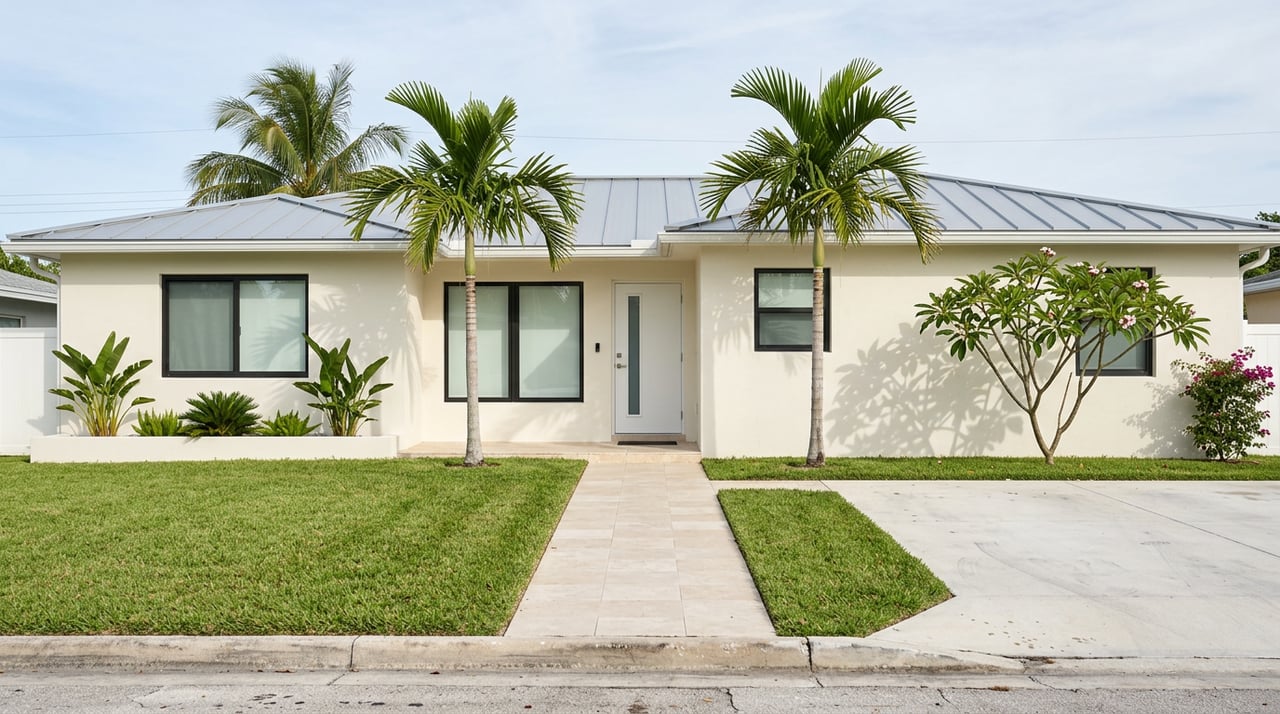
Step-by-Step Guide for First Time Homebuyer Hialeah
March 5, 2026
March 5, 2026
Buying your first home in Hialeah can feel exciting and overwhelming at the same time. You want a clear plan, honest answers, and a local advisor who keeps surprises out of your closing. In this guide, you’ll learn the exact steps Miami‑Dade first‑timers take to go from pre‑approval to keys in hand, plus local tips on Florida’s “as‑is” contracts, flood disclosures, inspections, and assistance programs. Let’s dive in.
If you are comparing rent to owning, recent snapshots place Hialeah’s median sale price in the roughly 430,000 to 440,000 range in early 2026, with typical rents around the low 2,000s. Inventory includes single‑family homes, townhomes, and low‑ to mid‑rise condos. Many homes are mid‑century or older, so roof age, insurance readiness, and flood risk deserve attention. Use a fresh MLS check when you are ready to shop since numbers can move month to month.
Start by running your numbers. Look at your down payment options (3 to 20 percent depending on the loan), monthly PITI (principal, interest, taxes, insurance), any HOA fees, and a repair reserve. For buyer closing costs, plan on about 2 to 5 percent of the purchase price and confirm with a lender’s Loan Estimate and your title company’s quote for clarity. You can review how estimates and disclosures work in this plain‑English guide from AmeriSave on mortgage terms and closing documents.
A strong pre‑approval helps you shop with confidence and move quickly. Most lenders ask for a photo ID, Social Security number, 30 days of pay stubs, two years of W‑2s, two months of bank statements, and tax returns if you are self‑employed. Ask whether the lender issues a fully documented pre‑approval letter that sellers will accept. Use this mortgage pre‑approval checklist to get organized.
In Hialeah, focus on location, property condition, insurance readiness, and flood zone. If a listing says “as‑is,” that signals minimal seller repairs and puts more weight on your inspection strategy. For condos and townhomes, request association rules early so you understand parking, pet limits, rentals, and fees. If a property is older, shortlist it for insurance inspections and roof questions.
Many Miami‑Dade agents use the Florida Realtors/Florida Bar “AS‑IS” Residential Contract. An “as‑is” sale typically means the seller will not agree to make repairs, but you still receive an inspection period and can cancel within that window in your sole discretion. Sellers must still disclose known material defects, and “as‑is” does not excuse concealment or fraud. For a helpful overview of riders and inspection rights, review Florida Realtors guidance on optional clauses and riders.
When drafting, set the inspection period clearly. Seven to fifteen calendar days is common, and you should spell out who pays for inspections and include needed riders such as appraisal, financing, or condo/HOA review. For a deeper explanation of how the “as‑is” inspection period works, see this Florida real estate legal commentary.
Schedule inspections as soon as the contract is signed to stay inside your due‑diligence window.
The appraisal supports the lender’s collateral value, while your inspections focus on condition and safety. If the appraisal comes in lower than the contract price, your options are to renegotiate, bring the difference in cash, or use the appraisal or financing contingency if included. Underwriting typically wraps in two to three weeks once the appraisal and documents are in. For national context on pricing power and negotiation windows, see this MarketWatch analysis of recent buyer deals.
Your title company will run a title search to clear liens and encumbrances and issue title insurance. There are two policies: a lender’s policy and an owner’s policy that protects you. In Miami‑Dade, it is common for the buyer to pay for the owner’s title policy, but this is negotiable and should be written into the contract. Review this county‑by‑county overview of who pays title insurance in Florida and confirm with your title agent.
Expect buyer closing costs to total about 2 to 5 percent of the purchase price, depending on your loan type, title fees, and who pays the owner’s policy. Your lender must provide a Loan Estimate early and a Closing Disclosure before closing, so read both carefully. Florida also levies documentary stamp taxes and recording fees on deeds and mortgages, which should appear in your title quote. You can preview state customs in this Real Estate Laws and Customs guide.
Florida case law requires sellers to disclose known, latent material defects to buyers. This duty applies even when a property is sold “as‑is.” If you want to understand the origin of this rule, review the Florida Supreme Court’s holding in Johnson v. Davis.
Florida Statute Section 689.302 requires sellers to give you a separate Flood Disclosure at or before contract execution. Read it carefully with your agent or insurance advisor before you are bound. You can review the statute’s text on the Florida Senate site.
Standard homeowners insurance does not cover flood. If the home is in a FEMA Special Flood Hazard Area and you use a federally regulated mortgage, your lender will require flood insurance. Premiums vary widely by elevation, zone, and past claims, so price quotes early in your inspection period. For a clear overview of how flood coverage works in Florida, read this NerdWallet guide to flood insurance. You can also check addresses using county and FEMA tools listed in the Resources section below.
Post‑Surfside reforms increased the focus on milestone inspections, reserves, and association transparency. In Miami‑Dade, buildings over 40 years old go through a county recertification process, and newer statewide rules may require earlier milestone inspections. Ask for reserve studies, proof of milestone or recertification compliance, and details on any special assessments. Learn more from Miami‑Dade’s program overview in Surfside’s 40‑year recertification resources.
Before you waive contingencies, verify permits for additions, pools, roofs, A/C, and electrical work. Unpermitted work can delay insurance or cause issues at resale. Use the county portal to search records and property details on the Miami‑Dade Property Appraiser site.
Miami‑Dade County offers down‑payment assistance and affordable homeownership programs with income limits, counseling, and approved lenders. Start with the Miami‑Dade Affordable Homeownership Program page to see current options and eligibility.
At the state level, Florida Housing Finance Corporation’s Hometown Heroes program has provided up to 35,000 dollars in down‑payment and closing cost assistance for eligible first‑time buyers and certain occupations. Program limits and funding availability change, so confirm with an approved lender listed on Florida Housing’s Hometown Heroes page.
After closing, apply for the Florida homestead exemption to lower your assessed value and lock in the Save Our Homes cap on future assessment increases. The standard exemption can reduce taxable value by up to 50,000 dollars, and portability rules may let you transfer benefits to a new homestead. Review deadlines and details at the Florida Department of Revenue’s homestead page.
Buying in Hialeah does not have to be complicated. With a strong pre‑approval, a precise “as‑is” inspection plan, early insurance quotes, and clear title and flood reviews, you can move from offer to closing with confidence. If you want a bilingual, local guide who blends neighborhood experience with title know‑how, connect with Jordan Casanas to plan your path to homeownership today.
Stay up to date on the latest real estate trends.


Primary phone
(305) 244-8060Secondary phone
(786) 580-8485Website
http://casanasre.comLicense Number
#3310814Address
2666 Brickell AveJordan Casañas is a bilingual Miami native of Cuban descent and a real estate professional with Fortune Christie's International Real Estate. As a Master’s Circle Agent and the face of The Casañas Way, Jordan has built a relationship-driven approach centered on intention, community, and long-term value. The Master’s Circle designation represents a select network of top-performing agents recognized for exceptional production, professionalism, and global reach, allowing Jordan to connect clients with high-level opportunities and international exposure through one of the world’s most recognized luxury real estate networks.
Deeply rooted in Miami, he attended Belen Jesuit Preparatory School and Florida International University, creating lifelong connections throughout neighborhoods such as Glenvar Heights, South Miami, and beyond.
Jordan began his career in the real estate industry in 2000 as a title processor and later opened his own Title Insurance Agency, where he still maintains an active license. With more than 23 years of experience spanning title, negotiations, investments, and both residential and commercial real estate, he brings a comprehensive understanding of every stage of the transaction process.
Through The Casañas Way, Jordan works closely with buyers, sellers, and investors to strategically build and manage real estate portfolios. His team guides clients from identifying and acquiring opportunities to positioning, marketing, and long-term property management, creating an experience designed to protect and grow value over time. His approach combines market expertise, intentional strategy, and personalized service, helping clients not only complete transactions, but confidently build their future through real estate.
Beyond his work in the industry, Jordan is also a Certified Master Gardener and founder of the Atala Coontie Project, an initiative focused on restoring native habitats and supporting the endangered Atala butterfly. He is also actively involved in the restoration and preservation efforts of the Blue Lake area in South Miami, helping bring awareness to the importance of protecting local ecosystems and preserving the natural beauty of the community for future generations.
His work reflects a thoughtful blend of lifestyle, sustainability, community preservation, and investment, integrating a deeper sense of purpose into the way he lives and serves others.