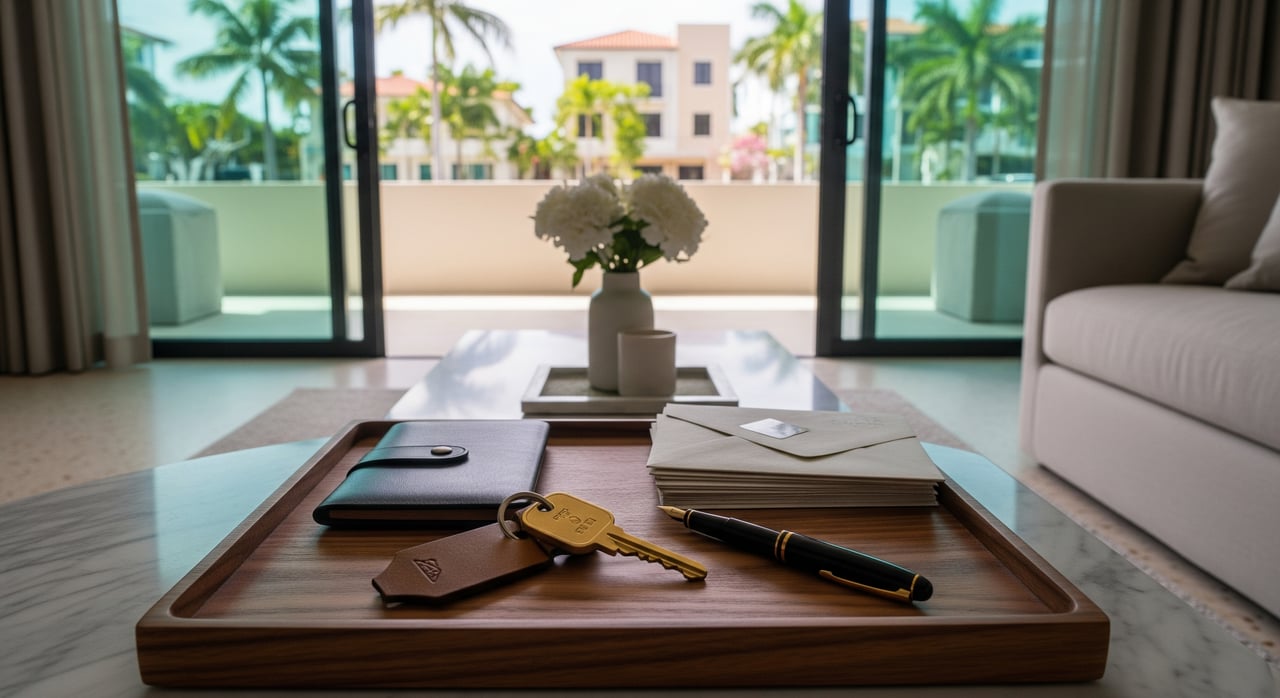
Closing Costs in South Miami: What Buyers & Sellers Pay
December 4, 2025
December 4, 2025
Are closing costs in South Miami catching you by surprise? You are not alone. Between lender fees, title insurance, Florida taxes, and condo items, the numbers can add up fast if you are not prepared. In this guide, you will learn what buyers and sellers typically pay in Miami‑Dade, how Florida’s taxes are calculated, and what is negotiable so you can budget with confidence. Let’s dive in.
Closing costs are the third‑party fees, taxes, prepaid items, and prorations required to complete a real estate sale. They are separate from your purchase price and down payment. In South Miami, common items include lender charges, appraisal, title and recording fees, state taxes, insurance escrows, inspections, and any condo or HOA fees.
Most buyers in Florida budget about 2% to 5% of the purchase price for closing costs, not including the down payment. Your exact number depends on your loan type, lender pricing, insurance, and whether the seller covers the owner’s title policy.
Sellers in South Miami often budget 5% to 6% of the sale price for commission, plus state deed taxes and title or condo items. All‑in seller costs (excluding mortgage payoff) commonly land near 6% to 8% depending on commissions and concessions.
Florida has three common transaction taxes that affect closings in Miami‑Dade. Who pays can be negotiated, but the amounts are set by statute.
Recording fees also apply and vary by document count. Title companies calculate these precisely on your settlement statement.
These examples are for budgeting only. Your lender and closing agent will provide exact figures for your property and loan.
Customs can vary by neighborhood and property type, but here is what you will often see in Miami‑Dade:
Condo closings in South Miami often include an HOA estoppel or resale certificate, possible transfer fees, and move‑in scheduling. Document turnaround times can affect your closing date. Single‑family homes may require a boundary survey and have different utility or insurance considerations. In both cases, check for any special assessments and build a realistic timeline for approvals and clearances.
If you want a clear picture of your numbers before you list or submit an offer, ask for a personalized net sheet or buyer estimate based on your property and loan. With a background in title and nearly two decades of local transactions, we can help you forecast your cash to close and reduce surprises. Ready to talk through your goals in South Miami, Glenvar Heights, or Coral Gables? Connect with Jordan Casanas for local guidance and Get a Free Valuation.
Stay up to date on the latest real estate trends.
Primary phone
(305) 244-8060Secondary phone
(786) 580-8485Website
http://casanasre.comLicense Number
#3310814Address
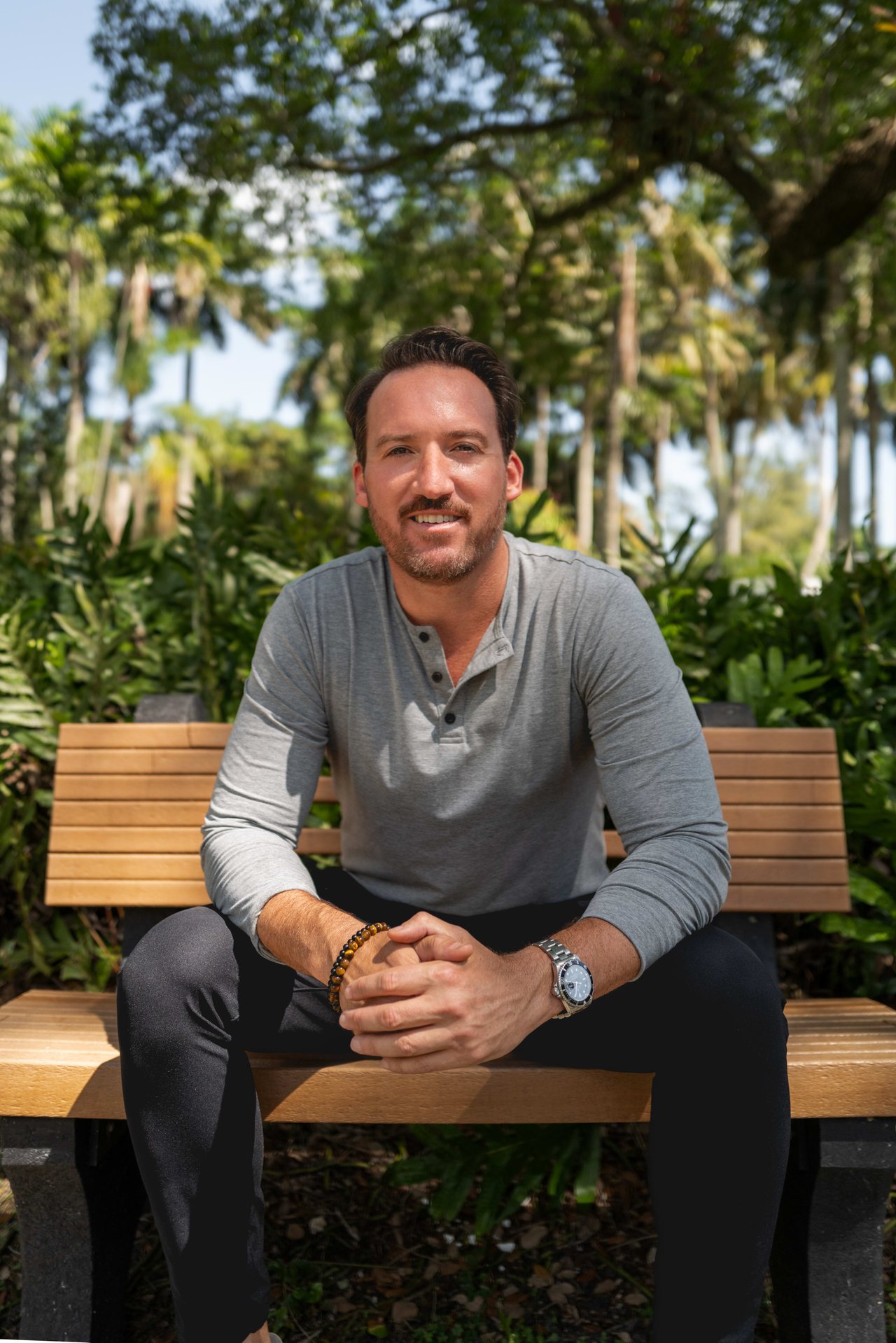
2666 Brickell AveJordan Casañas is a bilingual Miami native of Cuban descent and a real estate professional with Fortune Christie's International Real Estate. As a Master’s Circle Agent and the face of The Casañas Way, Jordan has built a relationship-driven approach centered on intention, community, and long-term value. The Master’s Circle designation represents a select network of top-performing agents recognized for exceptional production, professionalism, and global reach, allowing Jordan to connect clients with high-level opportunities and international exposure through one of the world’s most recognized luxury real estate networks.
Deeply rooted in Miami, he attended Belen Jesuit Preparatory School and Florida International University, creating lifelong connections throughout neighborhoods such as Glenvar Heights, South Miami, and beyond.
Jordan began his career in the real estate industry in 2000 as a title processor and later opened his own Title Insurance Agency, where he still maintains an active license. With more than 23 years of experience spanning title, negotiations, investments, and both residential and commercial real estate, he brings a comprehensive understanding of every stage of the transaction process.
Through The Casañas Way, Jordan works closely with buyers, sellers, and investors to strategically build and manage real estate portfolios. His team guides clients from identifying and acquiring opportunities to positioning, marketing, and long-term property management, creating an experience designed to protect and grow value over time. His approach combines market expertise, intentional strategy, and personalized service, helping clients not only complete transactions, but confidently build their future through real estate.
Beyond his work in the industry, Jordan is also a Certified Master Gardener and founder of the Atala Coontie Project, an initiative focused on restoring native habitats and supporting the endangered Atala butterfly. He is also actively involved in the restoration and preservation efforts of the Blue Lake area in South Miami, helping bring awareness to the importance of protecting local ecosystems and preserving the natural beauty of the community for future generations.
His work reflects a thoughtful blend of lifestyle, sustainability, community preservation, and investment, integrating a deeper sense of purpose into the way he lives and serves others.