
Title Insurance Basics for Glenvar Heights Buyers
December 18, 2025
December 18, 2025
Buying a home in Glenvar Heights should feel exciting, not confusing. If you have heard about title insurance but are not sure what it actually covers, you are not alone. You want a smooth closing and years of worry‑free ownership. In this guide, you will learn what title insurance is, what it does and does not cover in Florida, the common Miami‑Dade title issues to look for, and the steps you can take to protect your purchase. Let’s dive in.
Title insurance protects you against covered problems with a property’s ownership history that existed up to your closing date. It is a one‑time premium you typically pay at closing, and coverage lasts as long as you own the home. For a plain‑English overview, see ALTA’s consumer guide to title insurance.
Standard policies commonly protect against:
Endorsements can expand coverage for things like survey matters, condominium issues, or access. Your title officer can explain which endorsements fit your property.
Title insurance is about the legal record, not the physical condition. It generally does not cover:
For flood concerns, you would explore separate flood insurance. For policy details and Florida rules, visit the Florida Office of Insurance Regulation.
Glenvar Heights sits within a high‑activity part of Miami‑Dade, with a mix of older homes, remodels, and condos. That history can create very specific title issues. Here are the ones buyers often encounter:
Knowing these patterns helps you ask better questions and choose helpful endorsements before closing.
Florida regulates title insurance rates through the state’s insurance regulator. That means your base premium follows published schedules. The exact amount depends on:
Who pays can be negotiated in the purchase contract and may follow local custom. You pay the premium once at closing, and the owner’s policy lasts as long as you own the home. For current rules and rate schedules, check the Florida Office of Insurance Regulation or request a written estimate from your title company early in the process.
A typical title workflow looks like this:
Glenvar Heights has a meaningful condo presence. If you are buying a condo, add these checks:
You can review key public records yourself or with your agent and title officer:
If you want to read more about standard policy forms and endorsements, visit ALTA’s consumer site. For legal education materials on Florida real property topics, see the Florida Bar’s Real Property, Probate and Trust Law Section.
Title insurance is one of the simplest ways to protect your ownership from past defects that could cost you time and money. Pair it with a careful review of your title commitment, a current survey, and the right endorsements, and you will reduce risk before you reach the closing table.
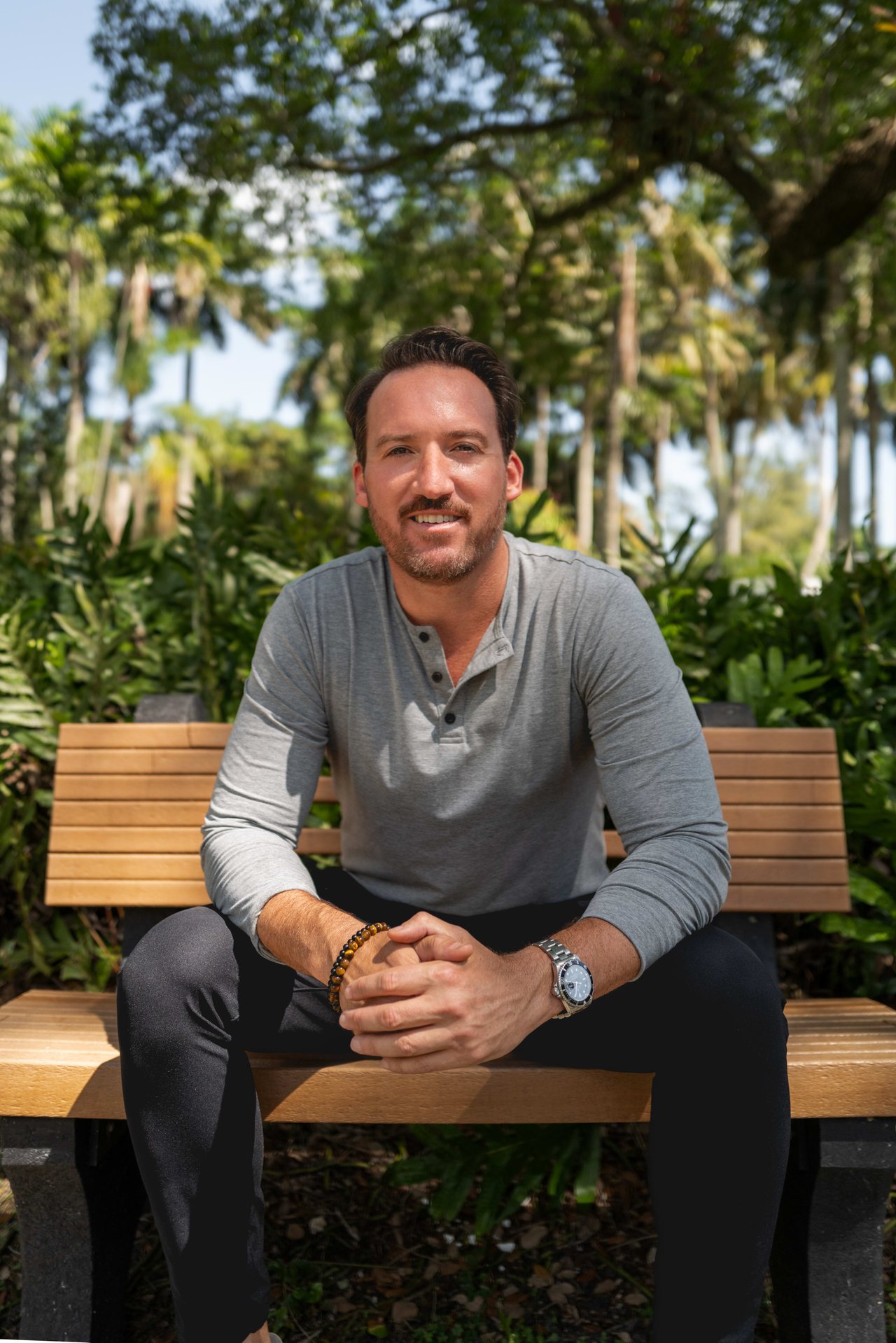
If you want a local, title‑savvy guide on your side, connect with Jordan Casanas. As a Miami‑native Broker‑Associate with a background in title services, Jordan helps you anticipate issues, clear obstacles, and close with confidence in Glenvar Heights and across South Miami.
Stay up to date on the latest real estate trends.
Primary phone
(305) 244-8060Secondary phone
(786) 580-8485Website
http://casanasre.comLicense Number
#3310814Address
2666 Brickell AveJordan Casañas is a bilingual Miami native of Cuban descent and a real estate professional with Fortune Christie's International Real Estate. As a Master’s Circle Agent and the face of The Casañas Way, Jordan has built a relationship-driven approach centered on intention, community, and long-term value. The Master’s Circle designation represents a select network of top-performing agents recognized for exceptional production, professionalism, and global reach, allowing Jordan to connect clients with high-level opportunities and international exposure through one of the world’s most recognized luxury real estate networks.
Deeply rooted in Miami, he attended Belen Jesuit Preparatory School and Florida International University, creating lifelong connections throughout neighborhoods such as Glenvar Heights, South Miami, and beyond.
Jordan began his career in the real estate industry in 2000 as a title processor and later opened his own Title Insurance Agency, where he still maintains an active license. With more than 23 years of experience spanning title, negotiations, investments, and both residential and commercial real estate, he brings a comprehensive understanding of every stage of the transaction process.
Through The Casañas Way, Jordan works closely with buyers, sellers, and investors to strategically build and manage real estate portfolios. His team guides clients from identifying and acquiring opportunities to positioning, marketing, and long-term property management, creating an experience designed to protect and grow value over time. His approach combines market expertise, intentional strategy, and personalized service, helping clients not only complete transactions, but confidently build their future through real estate.
Beyond his work in the industry, Jordan is also a Certified Master Gardener and founder of the Atala Coontie Project, an initiative focused on restoring native habitats and supporting the endangered Atala butterfly. He is also actively involved in the restoration and preservation efforts of the Blue Lake area in South Miami, helping bring awareness to the importance of protecting local ecosystems and preserving the natural beauty of the community for future generations.
His work reflects a thoughtful blend of lifestyle, sustainability, community preservation, and investment, integrating a deeper sense of purpose into the way he lives and serves others.