
Understanding the Homestead Home Appraisal Process
January 15, 2026
January 15, 2026
Worried your appraisal could make or break your Homestead deal? You are not alone. Whether you are selling or buying with a mortgage, the appraisal plays a big role in pricing, loan approval, and peace of mind. In this guide, you will learn how appraisals work in Homestead, what features move value here, how timing and loan programs affect the process, and what to do if the number comes in low. Let’s dive in.
An appraisal estimates a home’s market value as of a specific date so a lender can make a sound loan decision. It is different from your county tax assessment or an insurance replacement estimate. Mortgage appraisers follow national USPAP standards and Florida licensing rules, and they meet extra requirements from programs like conventional, FHA, and VA.
You usually see a standardized report with photos, comparable sales, adjustments, and a final reconciled value. For most single-family homes and condos in Homestead, the valuation centers on recent comparable sales.
For typical owner-occupied homes, the appraiser finds recent, nearby closed sales and adjusts for differences such as living area, lot size, condition, upgrades, and location within Homestead. The reconciled figure is often the final value.
If the home is new, unique, or comps are limited, the appraiser may estimate land value plus replacement cost new, then subtract depreciation. This is more common for new construction or special-use properties.
For investor-focused properties, small multifamily, or homes used as rentals, value can be derived from income, rent levels, and market capitalization rates or GRM.
Appraisers rely on MLS data, Miami-Dade public records, building permits, and an on-site inspection. They measure living area, photograph condition, and note system ages and upgrades. For condos, they also evaluate the building’s financial health and approval status.
You will often see the Uniform Residential Appraisal Report for single-family homes. FHA and VA have their own forms and minimum property standards.
Homestead sits within the Miami–Dade market, but micro-locations matter. Appraisers account for commuting patterns, proximity to US‑1 and the Turnpike, access to retail and parks, and the broader trend in mortgage rates and inventory.
Your lender orders the appraisal, often through an appraisal management company that assigns a local appraiser. Turn times usually range from a few days to one or two weeks, depending on volume and complexity.
Conventional appraisals use standard forms and lender-specific guidelines. Underwriters may ask for additional comparables or more support for certain adjustments.
FHA requires appraisers to verify health and safety items and the property’s overall condition under its Minimum Property Standards. Repairs may be required before closing.
VA appraisals apply Minimum Property Requirements and program-specific forms. Occupancy and condition rules also apply.
In lower-risk cases, lenders might use automated or desktop products. In many Homestead purchases, a full interior and exterior inspection remains standard.
A low appraisal can happen for several reasons, from fast-moving prices to weak comps or factual errors in the report.
Common issues include the use of dated or less comparable sales, incorrect living area or room counts, missing permits, or lender constraints on which comps qualify. Insurance costs or flood-risk differences can also impact adjustments.
You deserve clear guidance, accurate pricing, and a plan for surprises. A local agent can prepare a factual comp package, surface Homestead micro-market nuances, and keep the appraisal process on track with complete documentation. With deep transaction and title fluency, you get fewer escrow surprises and a more predictable path to closing.
When you want a local, client-first strategy rooted in Miami-Dade experience, you can count on a consultative approach that blends neighborhood knowledge with disciplined process.
Ready to list or buy with confidence in Homestead? Connect with Jordan Casanas to price smart, prepare well, and navigate appraisal outcomes with clarity. Get a Free Valuation.
Stay up to date on the latest real estate trends.



Primary phone
(305) 244-8060Secondary phone
(786) 580-8485Website
http://casanasre.comLicense Number
#3310814Address
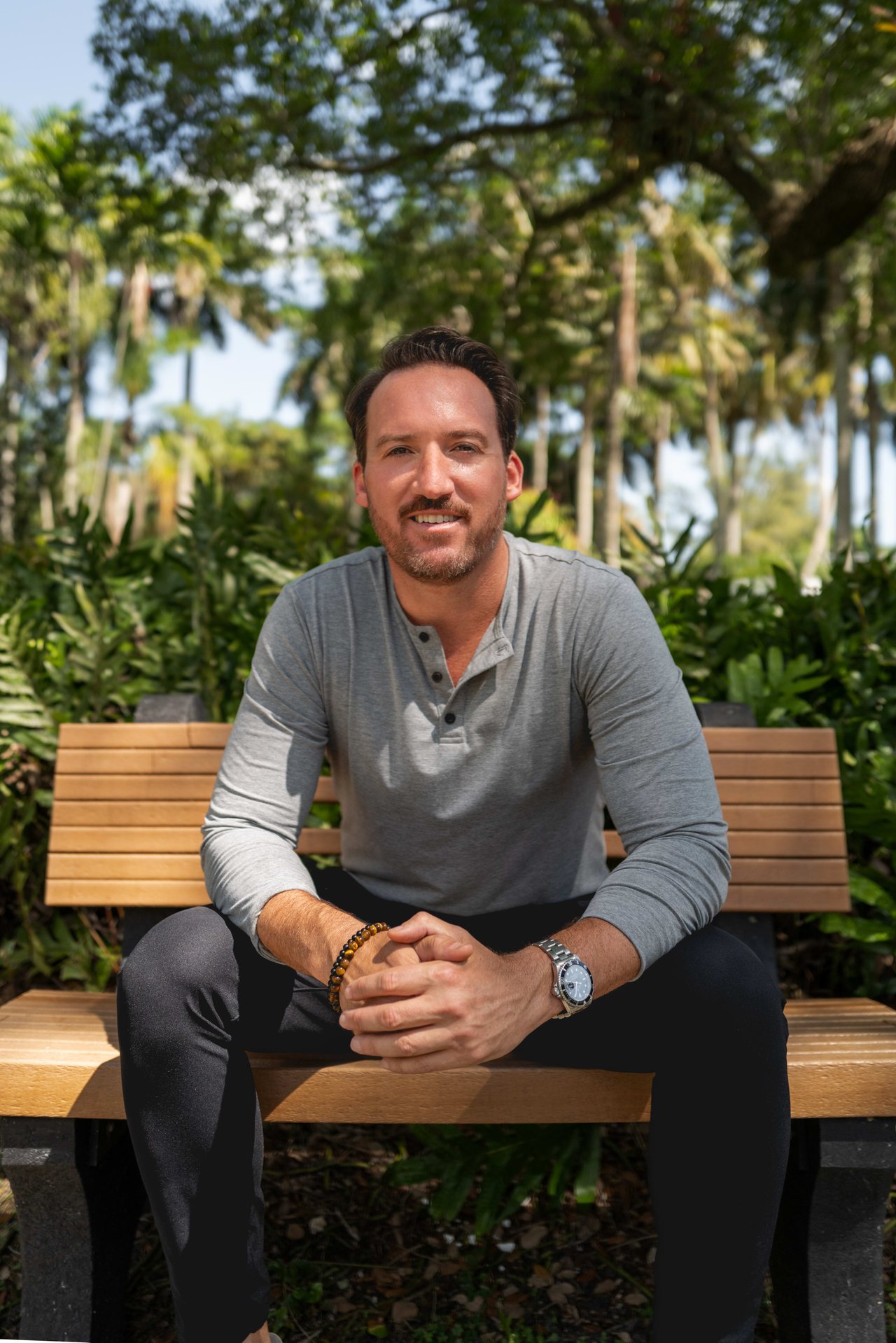
2666 Brickell Ave,Jordan Casañas is a bilingual Miami native of Cuban descent and a real estate professional with Fortune Christie's International Real Estate. As a Master’s Circle Agent and the face of The Casañas Way, Jordan has built a relationship-driven approach centered on intention, community, and long-term value. The Master’s Circle designation represents a select network of top-performing agents recognized for exceptional production, professionalism, and global reach, allowing Jordan to connect clients with high-level opportunities and international exposure through one of the world’s most recognized luxury real estate networks.
Deeply rooted in Miami, he attended Belen Jesuit Preparatory School and Florida International University, creating lifelong connections throughout neighborhoods such as Glenvar Heights, South Miami, and beyond.
Jordan began his career in the real estate industry in 2000 as a title processor and later opened his own Title Insurance Agency, where he still maintains an active license. With more than 23 years of experience spanning title, negotiations, investments, and both residential and commercial real estate, he brings a comprehensive understanding of every stage of the transaction process.
Through The Casañas Way, Jordan works closely with buyers, sellers, and investors to strategically build and manage real estate portfolios. His team guides clients from identifying and acquiring opportunities to positioning, marketing, and long-term property management, creating an experience designed to protect and grow value over time. His approach combines market expertise, intentional strategy, and personalized service, helping clients not only complete transactions, but confidently build their future through real estate.
Beyond his work in the industry, Jordan is also a Certified Master Gardener and founder of the Atala Coontie Project, an initiative focused on restoring native habitats and supporting the endangered Atala butterfly. He is also actively involved in the restoration and preservation efforts of the Blue Lake area in South Miami, helping bring awareness to the importance of protecting local ecosystems and preserving the natural beauty of the community for future generations.
His work reflects a thoughtful blend of lifestyle, sustainability, community preservation, and investment, integrating a deeper sense of purpose into the way he lives and serves others.