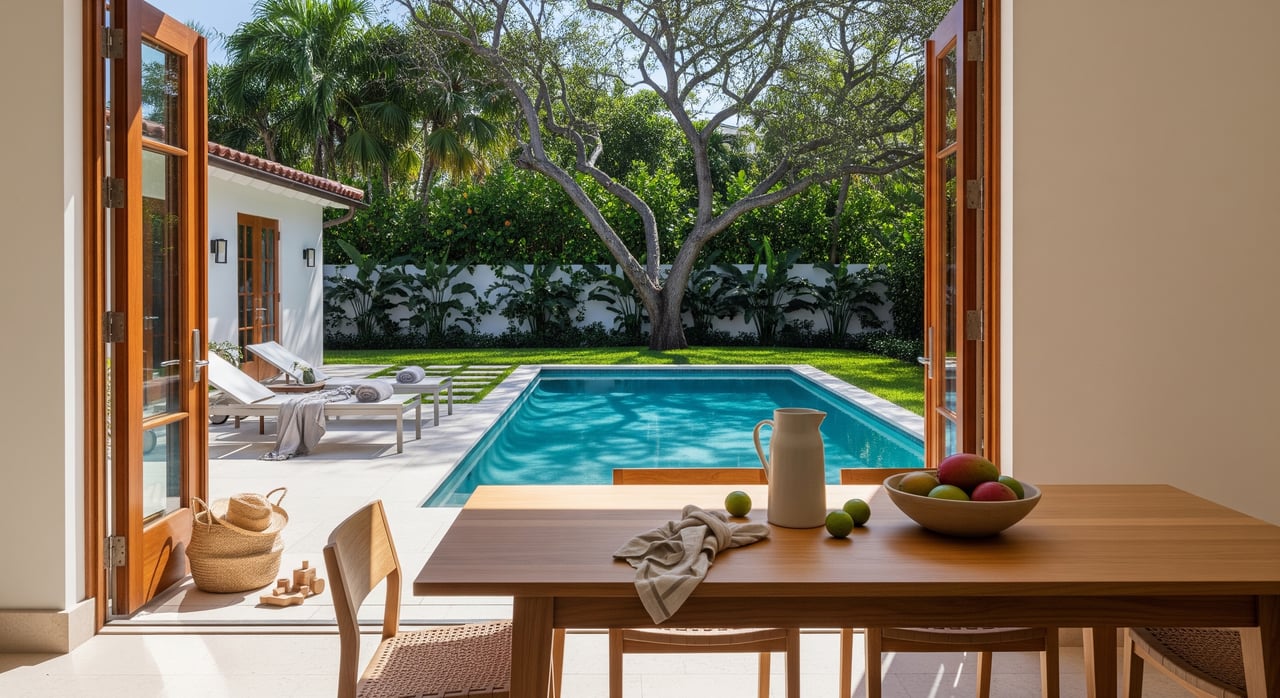
What Everyday Family Life Looks Like In South Miami
February 5, 2026
February 5, 2026
What if your morning coffee, after-school soccer, and date-night dinner were all just a few minutes from home? In South Miami, many families find that sweet spot between small-city comfort and big-city access. You want neighborhoods that feel connected, with parks, schools, errands, and transit within easy reach. In this guide, you will learn how day-to-day life flows here, from school drops to weekend fun, plus what to know about housing, commutes, and planning details. Let’s dive in.
South Miami feels like a suburban village with urban perks. The compact downtown around Sunset Drive offers cafés, casual restaurants, and small shops where you can grab coffee after school drop-off or meet friends for dinner. Outside the core, most streets are low-rise and residential, which keeps things calm while still giving you quick access to your daily needs.
A typical weekday is simple. Mornings start with school runs, then quick errands or a walk to a nearby café. Afternoons often mean youth sports at community parks or classes at local studios. Evenings bring family dinners or a stroll downtown. On weekends, you might explore nearby Coral Gables and Coconut Grove, catch a University of Miami event, or head to beaches and regional parks.
Families use a mix of city playgrounds and nearby county parks. You will find neighborhood green spaces for quick swings-and-slides time, plus fields for soccer, baseball, and after-school programs. Larger regional parks and trails are within a short drive, and many schools host community sports on their fields and in gym spaces.
Practical tips for parents:
South Miami is served by Miami-Dade County Public Schools. School assignments depend on district boundaries, which can change. Many families review current boundary maps and feeder patterns before making an offer.
You will find a range of options:
Smart research steps:
Car commutes vary with traffic, but many families enjoy short hops to work or transit. Typical drive times are often 15 to 30 minutes to Downtown Miami and Brickell, around 20 to 30 minutes to Miami International Airport, and 10 to 20 minutes to Dadeland and nearby hubs. Timing matters, so test your route during rush hour and school pickup.
Public transit is a useful option. The Metrorail South Miami Station provides a car-free way into downtown and connections across the county. Metrobus routes and park-and-ride lots add flexibility. For short trips, biking can work on streets with bike lanes and sidewalks, though heat and traffic make driving more common for families with young kids.
Everyday logistics to consider:
South Miami’s downtown corridor is family-friendly and low-key. You will find outdoor seating, casual eateries, coffee spots, and local boutiques. Groceries and services like pediatricians, urgent care, and dental offices are typically a short drive. For bigger shopping trips, families often head to nearby centers in Coral Gables and Dadeland.
Cultural options are plentiful. Proximity to Coral Gables and Coconut Grove expands your choices for theaters, historic sites, and waterfront parks. The University of Miami adds performances, museums, and collegiate sports to your calendar.
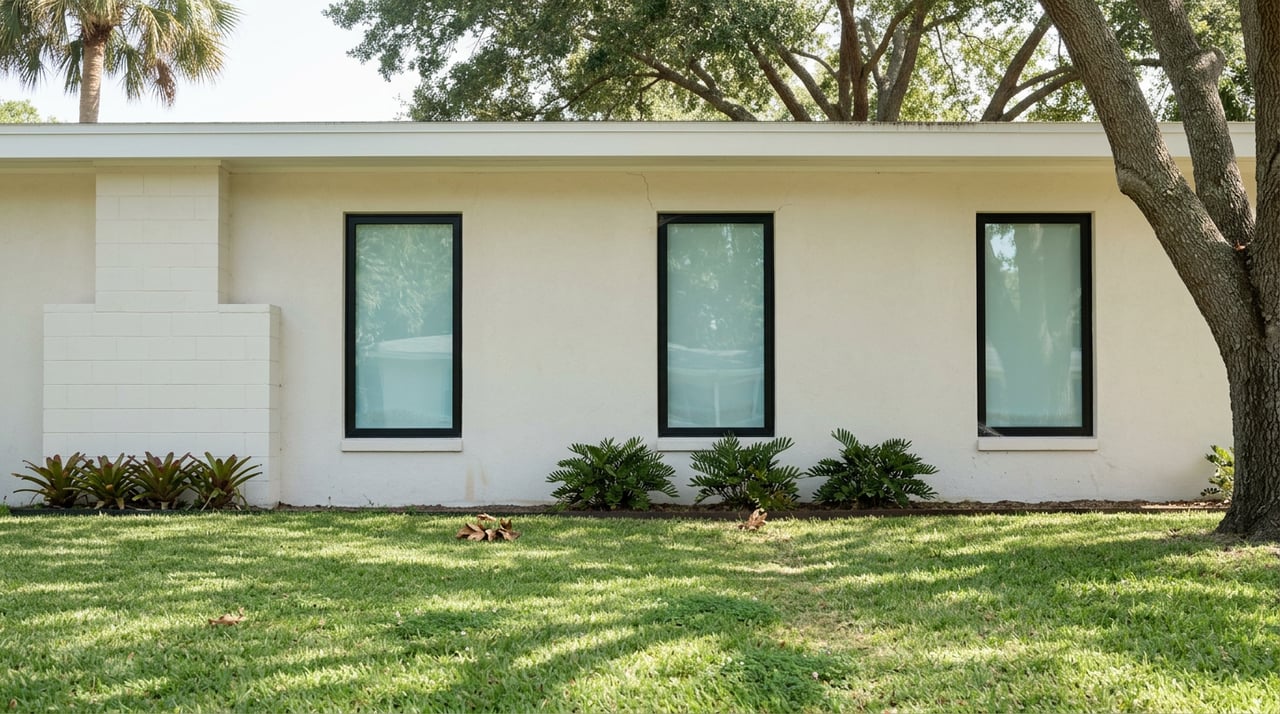
Housing in South Miami includes a mix of single-family homes, townhomes, duplexes, and condos. Many single-family properties are mid-century ranch or Mediterranean-influenced styles, with newer renovations and rebuilds scattered across desirable blocks. Lots are often larger than urban condo living but smaller than far-suburban developments, which many families find easy to maintain.
Townhomes and duplexes appear in areas with growing density, and garden-style apartments and mid-rise condos cluster near the central corridor and transit. Newer infill homes deliver modern systems and finishes. Renovated properties and homes close to the downtown core and Metrorail tend to hold value well.
Budget smart by planning for:
Market patterns shift with seasonality and interest rates, so pull recent comps for exact pricing and days on market. Expect a premium for updated homes close to the walkable core, with broader pricing bands for condos and townhomes based on age, amenities, and association costs.
Use this quick list to pressure-test a potential address:
Buying or selling in South Miami works best with a clear plan. You deserve local insight on schools, parks, commuting, and realistic pricing, paired with a smooth closing. Our approach blends neighborhood-level guidance with title and escrow fluency so your transaction stays predictable and low stress.
What you can expect:
Ready to map your next step in South Miami? Reach out to Jordan Casanas for a no-pressure conversation about your timeline and goals.
Stay up to date on the latest real estate trends.
Primary phone
(305) 244-8060Secondary phone
(786) 580-8485Website
http://casanasre.comLicense Number
#3310814Address
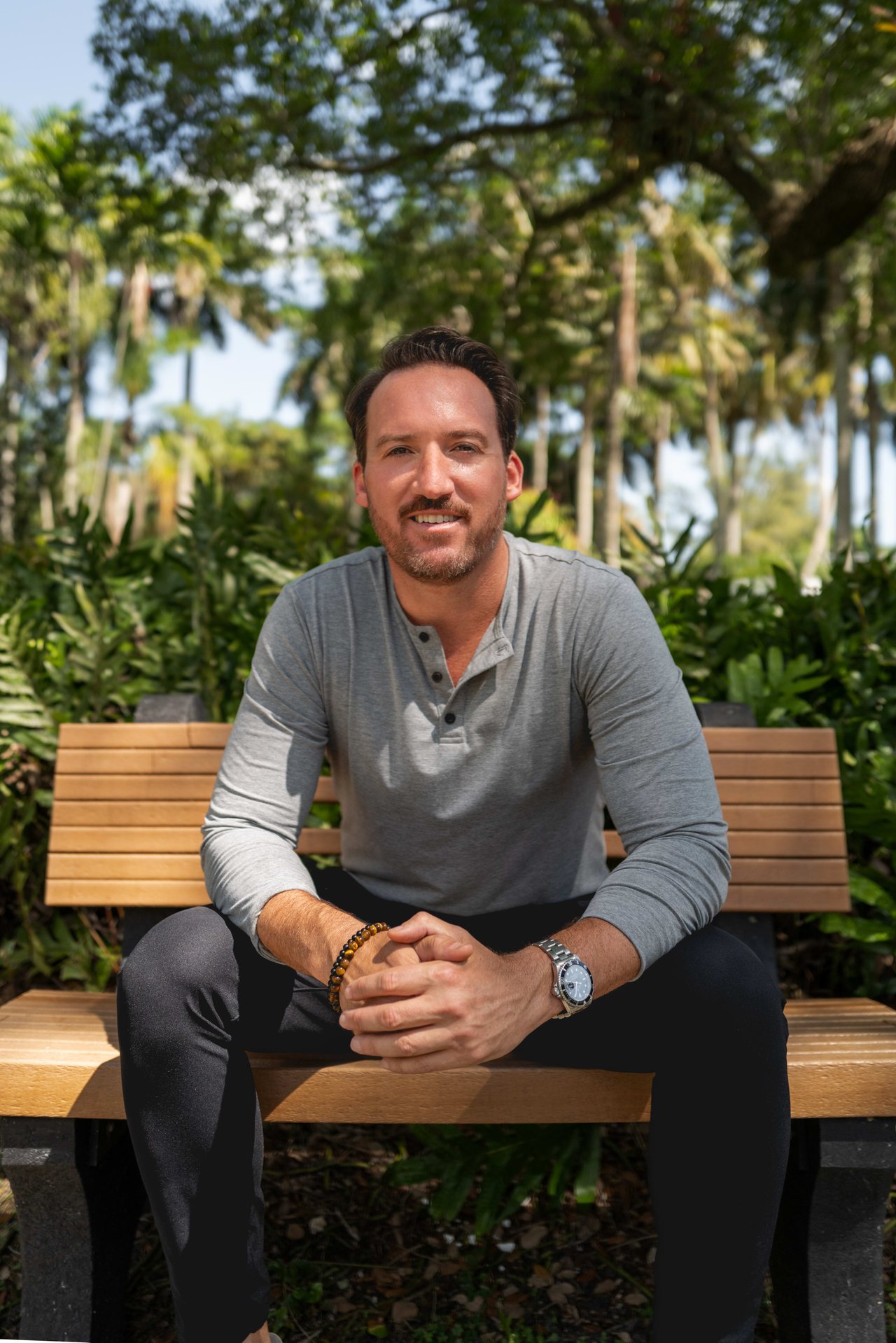
2666 Brickell Ave,Jordan Casañas is a bilingual Miami native of Cuban descent and a real estate professional with Fortune Christie's International Real Estate. As a Master’s Circle Agent and the face of The Casañas Way, Jordan has built a relationship-driven approach centered on intention, community, and long-term value. The Master’s Circle designation represents a select network of top-performing agents recognized for exceptional production, professionalism, and global reach, allowing Jordan to connect clients with high-level opportunities and international exposure through one of the world’s most recognized luxury real estate networks.
Deeply rooted in Miami, he attended Belen Jesuit Preparatory School and Florida International University, creating lifelong connections throughout neighborhoods such as Glenvar Heights, South Miami, and beyond.
Jordan began his career in the real estate industry in 2000 as a title processor and later opened his own Title Insurance Agency, where he still maintains an active license. With more than 23 years of experience spanning title, negotiations, investments, and both residential and commercial real estate, he brings a comprehensive understanding of every stage of the transaction process.
Through The Casañas Way, Jordan works closely with buyers, sellers, and investors to strategically build and manage real estate portfolios. His team guides clients from identifying and acquiring opportunities to positioning, marketing, and long-term property management, creating an experience designed to protect and grow value over time. His approach combines market expertise, intentional strategy, and personalized service, helping clients not only complete transactions, but confidently build their future through real estate.
Beyond his work in the industry, Jordan is also a Certified Master Gardener and founder of the Atala Coontie Project, an initiative focused on restoring native habitats and supporting the endangered Atala butterfly. He is also actively involved in the restoration and preservation efforts of the Blue Lake area in South Miami, helping bring awareness to the importance of protecting local ecosystems and preserving the natural beauty of the community for future generations.
His work reflects a thoughtful blend of lifestyle, sustainability, community preservation, and investment, integrating a deeper sense of purpose into the way he lives and serves others.